This is a subtitle for your new post

Can a Fulfillment Service Reduce Returns and Improve Customer Retention?
A fulfillment service can reduce preventable returns and support customer retention, but it cannot eliminate every return. Its value is in controlling the order steps a brand can influence: accurate picking, inventory checks, product and packaging inspection, predictable shipping, tracking visibility, and clear issue handling. Fewer avoidable problems mean fewer recovery conversations and better repeat-buyer odds.
Why Do Returns Hurt Ecommerce Customer Retention?
How Poor Fulfillment Experiences Lead to Avoidable Returns
Some returns start before the buyer can judge the product. Wrong items, bad sizing, missing accessories, damage, or poor packaging can make an order disappointing. Late delivery creates similar dissatisfaction.
These problems are operational. They often come from inaccurate inventory, rushed picking, unclear instructions, weak packaging, or defects missed before shipping. A fulfillment service cannot fix every product-market issue, but it can add checkpoints.
Why a Return Experience Can Decide Whether Customers Buy Again
Customers often judge a brand most closely after something goes wrong. Slow replies, unclear return instructions, or repeated requests for the same details can turn one order problem into a reason to leave. A clear process does not make every return positive, but it protects trust when the product or delivery experience fails.
Retention depends on the post-purchase experience. Accurate order handling reduces recovery work; responsive communication shows accountability.
How Can a Fulfillment Service Help Reduce Product Returns?
Improving Order Accuracy Through Better Fulfillment Processes
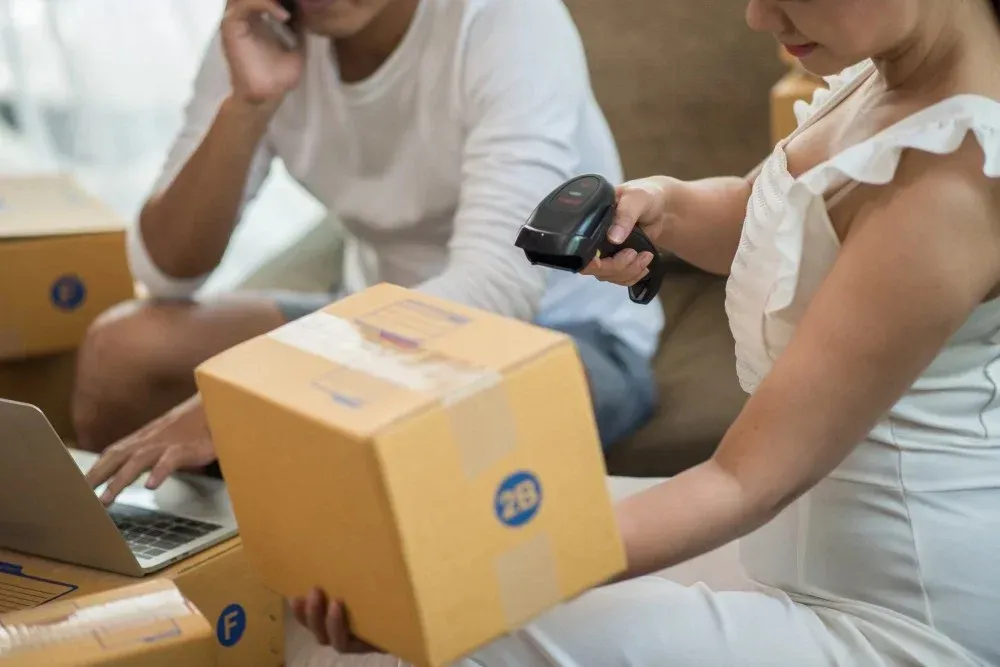
Order accuracy starts with reliable data. The partner should receive the correct SKU, variant, quantity, address, and shipping instruction, then verify what is being prepared. Inventory accuracy matters because the wrong or unavailable item can trigger delays, substitutions, cancellations, or returns.
Useful controls include SKU checks, order verification before dispatch, and exception alerts. DAYONE can support connected store and fulfillment workflows after onboarding. We can help sellers connect their stores and surface alerts when an order needs review. Its fulfillment services can be evaluated against the store's order-control and shipping needs.
Using Quality Checks to Prevent Customer Complaints Before Shipping
Quality checks move detection earlier. Product inspection can identify visible defects, wrong variants, or condition problems before inventory is accepted or a parcel is packed. A final check can confirm that the product, accessories, and packaging match the order.
DAYONE can support supplier sourcing and product checks before inventory, followed by a final check before packing. This does not guarantee that every defect will be found, but it can keep poor-quality products from reaching customers.
Can Faster and More Reliable Shipping Improve Customer Loyalty?
Why Delivery Accuracy Matters More Than Speed Alone
Customers value a delivery promise they can trust more than a faster one that is missed. Accurate processing, realistic estimates, correct addresses, and visible exceptions help shoppers plan. Predictability builds confidence because the buyer knows what will happen next.
Speed still matters, but it should be assessed together with accuracy. A fast dispatch of the wrong item does not improve loyalty. A fulfillment partner should explain handling cutoffs, inventory conditions, shipping options, and the situations that may extend processing time.
How Fulfillment Services Create a Better Post-Purchase Experience
Post-purchase support should answer: Has the order been processed? Has it shipped? Where is it now? Is there a delay? Tracking visibility reduces uncertainty.
DAYONE tracking support may include DAYONE Track, destination-country discreet tracking, and uploaded last-mile courier information. Connected workflows can also surface alerts that need seller attention. Brands evaluating order and inventory integrations should check whether information reaches support teams quickly enough to reduce “Where is my order?” complaints.
How Does a Fulfillment Service Improve the Returns Process?
Making Returns Easier Without Increasing Operational Costs
A fulfillment partner may support returns or exchanges depending on service scope, location, product category, and channel. Brands should define who approves a return, where the item goes, what evidence is needed, how replacement orders are created, and how the buyer receives updates.
The goal is a clear workflow rather than unlimited manual handling. Standardized return reasons, order numbers, product identifiers, photos where relevant, and status updates reduce back-and-forth communication. A partner should also make clear which cases require seller approval, inspection, replacement shipping, refund action, or escalation.
Turning Return Data Into Business Improvements
Return information is more useful when categorized consistently. A brand can separate wrong item, damage, missing component, quality concern, inaccurate description, late delivery, and preference. Repeated reasons may indicate a sourcing, listing, packaging, inventory, or fulfillment problem.
That data can guide product descriptions, supplier decisions, packaging changes, SKU controls, and shipping choices. It can also show whether a product should be stocked differently or whether a route creates too many exceptions. Returns management becomes a feedback loop instead of only a cost center.
What Should Ecommerce Brands Look for in a Fulfillment Service?
Does the Fulfillment Partner Support Quality Control and Accurate Shipping?
Ask how the partner handles:
• SKU, variant, quantity, and address verification
• Inventory updates and out-of-stock exceptions
• Product inspection and final packing checks
• Packaging instructions and missing-accessory controls
• Tracking activation and last-mile carrier visibility
• Return, replacement, and escalation ownership
DAYONE can connect sourcing, quality checks, warehouse receipt, fulfillment, packing, shipping instructions, and tracking activation within a supported workflow. Brands should confirm which steps apply to their products and service agreement.
Can the Fulfillment Service Scale With Growing Order Volumes?
Scale is more than warehouse capacity. Review peak-season staffing, SKU growth, supplier responsiveness, international destinations, marketplace requirements, inventory synchronization, exception handling, and reporting.
DAYONE's physical pick and pack is currently manual, while order-processing support and connected alerts can help organize execution. Brands should assess the controls around manual work rather than assume software removes the need for oversight. For international or marketplace growth, China sourcing and fulfillment support can be reviewed alongside shipping and destination requirements.

How Can Brands Balance Lower Returns and Better Customer Experience?
Reduce Preventable Returns Instead of Making Returns Difficult
The right objective is not to make legitimate returns difficult. A clear return policy can increase purchase confidence because customers understand their options before ordering. The goal is to reduce returns caused by preventable errors while handling valid returns fairly.
Brands should improve product information, order accuracy, inspection, packaging, delivery communication, and issue resolution together. Making a return artificially difficult may lower a short-term return count while increasing complaints, chargebacks, negative reviews, and customer loss.
Build Customer Loyalty Through Consistent Fulfillment Experiences
Every order interaction shapes how customers remember the brand. The parcel, product condition, delivery update, support response, and return outcome all contribute to the same judgment: can this business be trusted?
Fulfillment therefore becomes part of branding. Consistent execution does not require every order to be perfect, but it does require clear standards, measurable exceptions, and a process for learning from failures. When brands use fulfillment data to improve products and operations, lower preventable returns and stronger customer retention can become related outcomes.
FAQ
Q: Can a fulfillment service reduce returns?
A: Yes, it can reduce preventable returns by improving order accuracy, inventory handling, product checks, packaging, shipping instructions, and issue visibility. It cannot eliminate returns caused by changing customer preferences or product fit.
Q: How does a fulfillment service improve customer retention?
A: It can improve the post-purchase experience by helping customers receive the correct product, clearer delivery updates, and more consistent support when problems occur.
Q: What problems can a fulfillment service help prevent?
A: Depending on the service scope, it may help prevent wrong-item shipments, inaccurate quantities, missing accessories, avoidable packing damage, inventory-related delays, incomplete tracking, and some quality complaints. Brands should confirm the actual checks, systems, and responsibilities included in the agreement.
Q: Does a fulfillment service handle returns and exchanges?
A: Some do, but the answer depends on the partner, product category, destination, sales channel, and contract. Before signing, confirm return authorization, inspection, restocking, replacement shipping, refund coordination, communication, and the treatment of damaged or unsellable goods.
Q: How can a fulfillment service improve ecommerce customer experience?
A: It can make the experience more consistent from order confirmation to delivery and, when needed, return resolution. Accurate fulfillment, appropriate packaging, realistic shipping expectations, tracking visibility, and clear exception handling reduce uncertainty and help the brand respond professionally when an order does not go as planned.