This is a subtitle for your new post

How Does Third Party Ecommerce Fulfillment Support Omnichannel Sales?
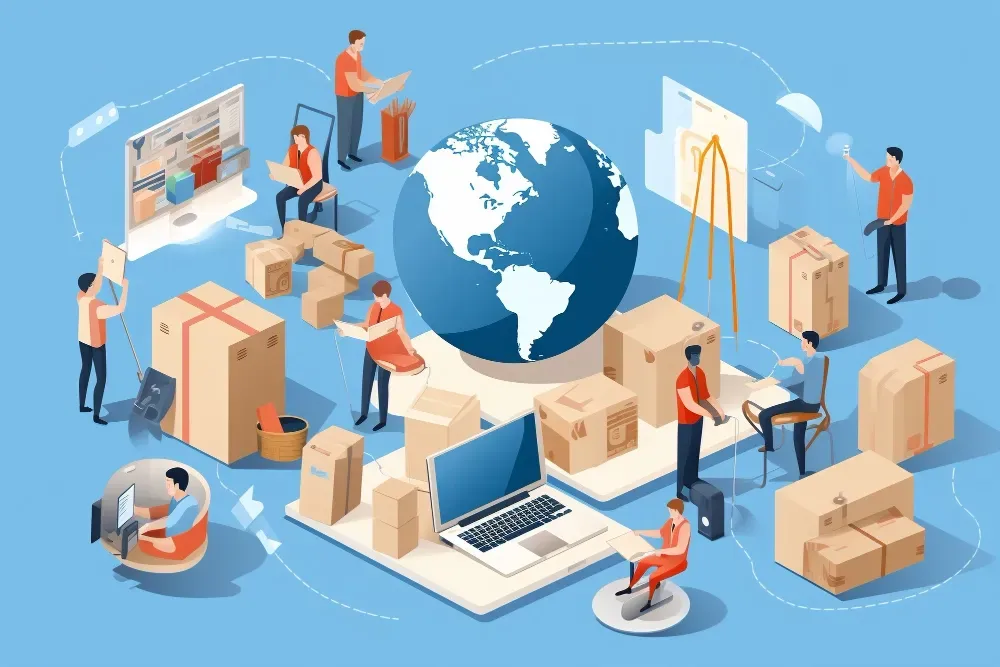
Selling through more than one channel is easy to describe but harder to operate. A brand may take orders from a storefront, Amazon, another marketplace, and a social commerce campaign in the same week. Inventory has to stay accurate, orders must move into the right warehouse workflow, and buyers should receive a reliable post-purchase experience no matter where the sale began. That is why third party ecommerce fulfillment matters for omnichannel sales: it turns channel growth into one coordinated fulfillment operation instead of several disconnected tasks.
What Does Omnichannel Sales Require From Third Party Ecommerce Fulfillment?
Moving From Separate Sales Channels to One Fulfillment Operation
Multichannel selling means a brand sells in several places. Omnichannel selling means those channels are connected behind the scenes, so inventory, order handling, shipping updates, and customer experience do not feel fragmented. A seller can have a Shopify store, marketplace listings, and social commerce traffic without having omnichannel fulfillment.
For a growing seller, the fulfillment layer must act as the common operational backbone. We can support a workflow in which sellers submit CSV files or product links, connect agents to the store, and move through supplier sourcing, warehouse receipt, fulfillment, packing, shipping instructions, and tracking activation. That makes third party ecommerce fulfillment services relevant not only for shipping parcels, but for keeping multiple sales channels connected to the same execution process.
Why Channel Growth Creates Fulfillment Silos
Fulfillment silos appear when each sales channel is managed like a separate business. One marketplace may show no stock while another channel still has inventory available. Tracking numbers may be uploaded in one system but not another. Packing instructions can also drift when marketplace orders, DTC orders, and social commerce orders are handled through different routines.
How Does Third Party Ecommerce Fulfillment Keep Inventory Available Across Channels?
Creating a Shared Inventory View Instead of Channel-Specific Stock Silos
Omnichannel inventory management starts with a shared view of what is actually available to sell. If marketplace stock, storefront stock, and social commerce stock are counted separately, the seller can oversell in one place while usable inventory remains stranded elsewhere.
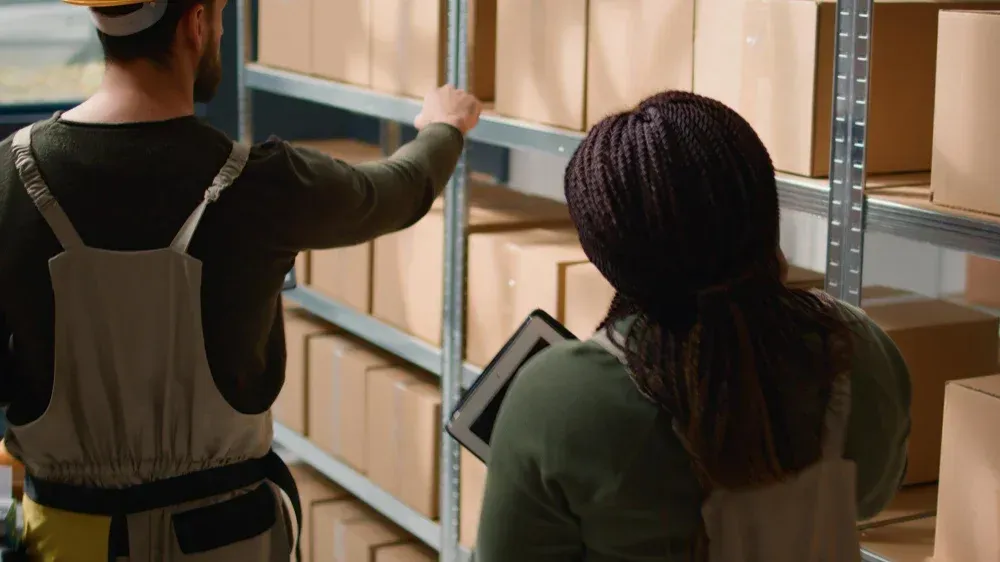
DAYONE has experience with FBA and eBay fulfillment, and its related shipment support can include destination-warehouse preparation, software support for order/inventory integration, and FBA-STA generation. In an omnichannel setting, that kind of inventory and order connection is important because different platforms may have different receiving, labeling, or shipment-preparation requirements while still drawing from the same product supply.
Allocating Stock as Demand Shifts Between Sales Channels
Inventory should not be locked permanently to one channel when demand moves elsewhere. A social campaign may create a short spike. A marketplace promotion may sell faster than expected. With connected third party ecommerce fulfillment, the seller can make replenishment and allocation decisions around real demand instead of reacting to disconnected channel reports.
How Does Third Party Ecommerce Fulfillment Manage Orders From Different Sales Channels?
Bringing Marketplace, DTC, and Social Commerce Orders Into One Workflow
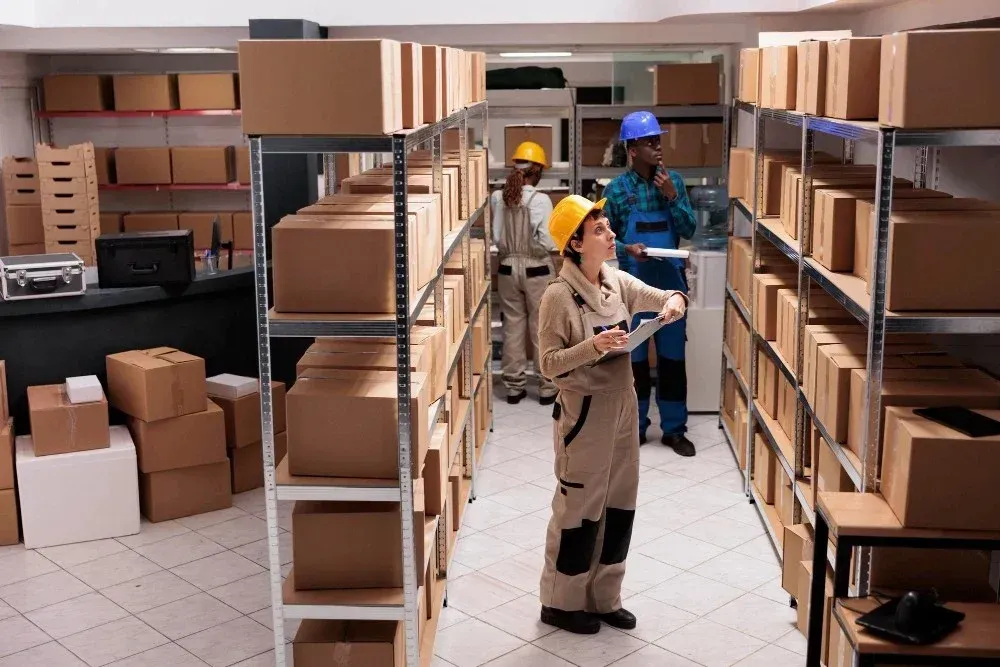
Order fragmentation is one of the biggest operational problems in omnichannel sales. Marketplace, DTC, and social commerce orders may enter through different interfaces, but the warehouse should not need four unrelated processes to pick, pack, dispatch, and report them.
After onboarding and fulfillment-team assignment, We can walk sellers through store connection. When agents are connected to the store, order and fulfillment handling can be processed through the connected workflow, and alerts needing attention can be surfaced to the seller. An eCommerce integrations workflow supports this point because omnichannel fulfillment depends on practical channel connection, not only warehouse space.
Applying the Right Fulfillment Rules to Each Channel
Unified does not mean identical. A marketplace order may need specific SKU labeling or destination-warehouse information. A DTC order may need a different packing insert, branded presentation, or shipping-service expectation. The right fulfillment partner keeps these rules inside one backbone. DAYONE tracking support can include DAYONE Track, discreet destination-country tracking, and uploaded last-mile courier information.
How Does Third Party Ecommerce Fulfillment Keep the Brand Experience Consistent?
Maintaining Packing and Quality Standards Regardless of Where the Sale Happens
Customers may discover a brand through different channels, but the parcel should still feel like it came from the same brand. Consistent order accuracy, QC, packing instructions, and presentation help protect that feeling. Our sourcing team can use a manufacturer network and supplier database, search online and offline contacts, and support product sourcing. Products can be checked before inventory and receive a final check before final packing for shipping.
For brands that need presentation control, white label shipping from China can also support logos, tags, cards, inserts, and customized packaging where applicable. The point is not decoration alone. In omnichannel ecommerce fulfillment, packing standards are part of customer experience because the buyer often judges the brand after the box arrives.

Connecting Shipping and Tracking to the Same Post-Purchase Promise
Omnichannel selling does not end at checkout. A buyer expects reliable dispatch, usable tracking, and a clear response if something goes wrong. Once payment is confirmed and goods are in stock, fulfillment, packing, and shipping are typically handled according to seller instructions within 24 hours; when Sunday operations are limited, fulfillment can occasionally take up to 48 hours.
That timing must be understood as fulfillment handling, not guaranteed transit time. The larger value is operational consistency. If one channel gives tracking quickly and another channel leaves buyers waiting, the brand experience becomes uneven.
How Does Third Party Ecommerce Fulfillment Make It Easier to Add New Sales Channels?
Expanding to New Channels Without Building Another Fulfillment Operation
Every new channel can add complexity if the seller builds a separate fulfillment process for it. A brand that moves from an independent store into marketplaces and then into social commerce may otherwise duplicate inventory records, order administration, warehouse instructions, shipping management, and customer-service follow-up.
Third party ecommerce fulfillment makes expansion easier when new channels plug into an existing fulfillment backbone. The seller still needs channel strategy, product planning, and demand forecasting. But it does not need to rebuild the physical workflow every time a new sales channel becomes important. Our current fulfillment process keeps physical pick and pack manual, while order-processing automation supports order handling rather than automated warehouse picking.
Handling Channel Spikes Without Sacrificing Existing Orders
Scalability in omnichannel fulfillment is not only about shipping more parcels. It is about absorbing demand shifts without letting one channel damage another. A marketplace promotion should not cause DTC orders to lose tracking visibility, and a social commerce spike should not make inventory records unreliable.
What Makes Third Party Ecommerce Fulfillment Truly Omnichannel-Ready?
Connected Order and Inventory Data Must Match Physical Fulfillment
Software connectivity alone is not omnichannel fulfillment. If order data is connected but SKU handling, inventory count, packing instruction, or dispatch execution is inaccurate, the buyer still receives a fragmented experience.
This is especially important when discussing automation. DAYONE does not have an automated fulfillment line implemented yet. Fulfillment is currently manual. Mabang ERP automations relate to order processing, not picking and packing. Pick and pack is manual.
Communication and Exception Handling Must Work Across Every Channel
An omnichannel-ready partner also needs practical exception handling. Connected workflows can notify sellers of alerts needing attention. When shipment or order issues occur, useful information can include photos, a specific issue description, order number, and product identification details. That is how omnichannel sales become operationally reliable instead of just broadly available.
FAQ
Q: How does third party ecommerce fulfillment work with multiple sales channels?
A: It connects orders from storefronts, marketplaces, social commerce, and other channels to one workflow. The warehouse can apply channel-specific rules, prepare parcels, ship them, and return tracking information without a separate manual process for every channel.
Q: Can third party ecommerce fulfillment keep inventory synchronized across different sales channels?
A: It can support synchronization when inventory records, order intake, and warehouse updates are connected. A shared workflow reduces overselling risk when stock changes across channels.
Q: Does third party ecommerce fulfillment support marketplace and direct-to-consumer orders at the same time?
A: Yes. Marketplace shipments may need preparation rules, while DTC parcels may need brand presentation, tracking, and customer-facing consistency.
Q: How does third party ecommerce fulfillment prevent overselling in omnichannel sales?
A: It helps by connecting sales-channel demand to more accurate inventory visibility and order processing. When stock changes are reflected faster, sellers can adjust availability before a channel keeps selling unavailable inventory.
Q: When should a growing brand use third party ecommerce fulfillment for omnichannel sales?
A: A growing brand should consider it when orders come from multiple channels, manual exports slow operations, inventory is hard to allocate, or customer experience varies by channel.