What Are the Advantages of 3PL Shipping for Grmmerce Brands?

When an ecommerce brand is small, packing orders in-house can feel efficient. As order volume, product lines, and markets grow, fulfillment can become a constraint. The main advantages of 3PL shipping are greater capacity, cost control, consistent order handling, and a better customer experience. A suitable third-party logistics partner can take on recurring work while the brand concentrates on products, marketing, and growth.
Why Is 3PL Shipping Becoming Essential for Growing eCommerce Brands?
3PL shipping becomes essential when fulfillment challenges compete with revenue-generating work. Ecommerce growth brings more orders, stock keeping units, delivery promises, and exceptions, so ecommerce fulfillment becomes a growth system rather than a back-office task.
Growing Order Volumes Create Fulfillment Bottlenecks
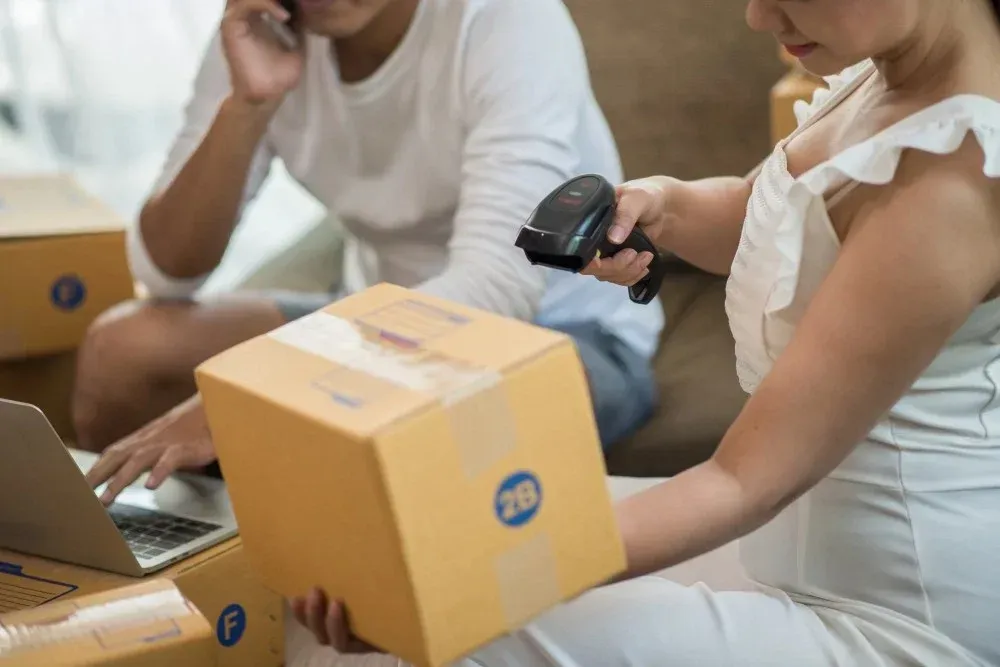
Manual order entry, stock checks, picking, packing, labels, and carrier handoffs consume more time as sales rise. A process that works for a small order flow can create order fulfillment challenges during promotions or peaks. Delays then affect customer experience and create support work.
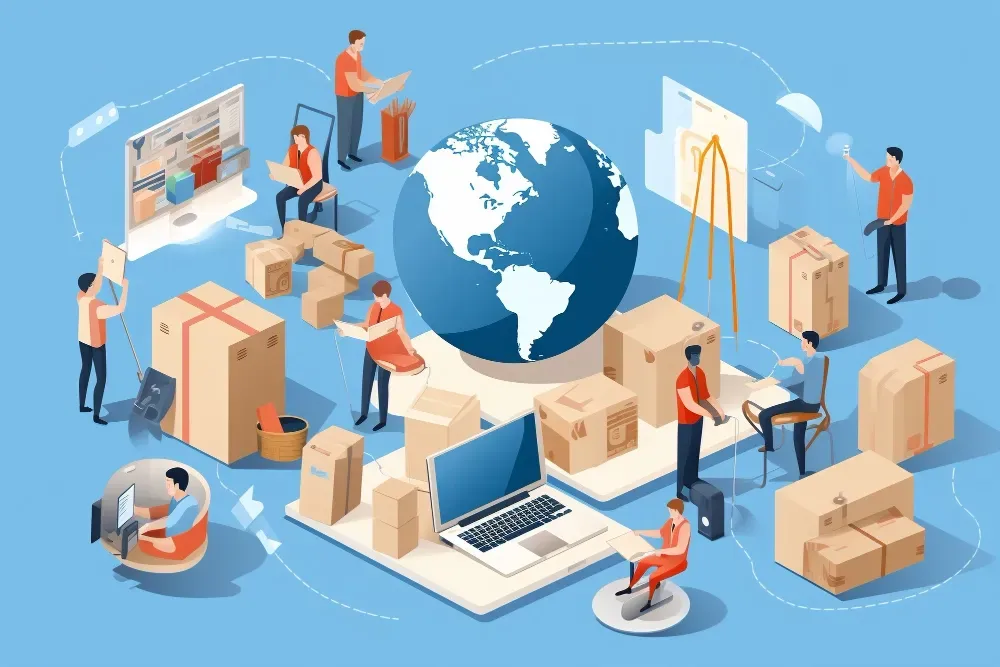
3PL shipping adds an operating layer. DAYONE can support a workflow connecting store inputs or product information with sourcing, warehouse receipt, fulfillment, packing, shipping instructions, and tracking activation. The physical pick-and-pack work is currently manual, so the value is coordination and capacity, not fully automated warehousing. Its fulfillment services can be assessed against the brand's order profile.

Customers Expect Faster and More Reliable Shipping Experiences
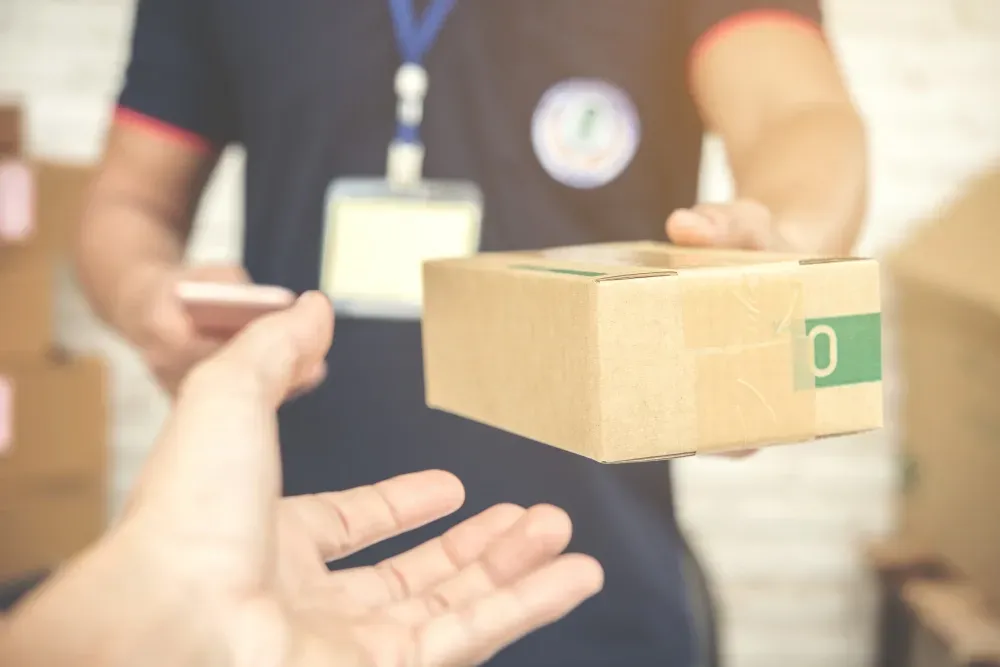
Fast ecommerce shipping matters, but speed is only part of the promise. Customers also expect accurate orders, usable tracking, sensible packaging, and communication when something changes. Reliability can influence purchase decisions and customer satisfaction.
3PL Shipping Lets Brands Focus on Growth Instead of Logistics
Outsource fulfillment when daily logistics is taking attention away from an ecommerce growth strategy. Founders and small teams can focus on marketing, product development, customer acquisition, and retention. After onboarding, DAYONE can support store connection, connected order handling, and alerts that need seller attention. Our ecommerce integrations can be evaluated against the brand's order flow.
What Are the Main Cost Advantages of 3PL Shipping?
The main 3PL shipping cost advantage is not always a lower price on every parcel. It is the possibility of replacing fixed investments and unpredictable overhead with a clearer, scalable cost structure.
Reduce Warehouse and Labor Investment
An in-house operation requires space, shelving, packing materials, equipment, labor, training, software, and extra capacity for peaks. Those warehouse costs can remain when volume fluctuates. A brand can use existing fulfillment infrastructure and compare total overhead, management time, and error correction. A 3PL is not automatically cheaper; the comparison depends on volume, products, destinations, and service requirements.
Access Better Shipping Rates Through Logistics Networks
A logistics provider may coordinate more shipments and service options than one growing brand can manage alone. That can create access to different carrier rates, but not guarantee the lowest price. DAYONE quotations can consider packing and shipping together, with cost affected by destination, parcel size, weight, and selected service. Premium channels on selected routes are generally faster and more expensive than standard channels.
Improve Cost Predictability as Your Brand Scales
Scalable fulfillment helps a brand understand what changes when volume, parcel size, markets, or product mix changes. Transparent assumptions make it easier to forecast ecommerce operations and plan promotions. Predictability can be more valuable than a small reduction in one shipping line because it limits emergency labor, rushed dispatch, and poorly planned route choices.
How Does 3PL Shipping Improve Customer Experience?
Ecommerce customer experience is shaped after checkout as much as by the storefront. Reliable fulfillment connects what the customer ordered with what arrives and how clearly progress is communicated.
Faster Order Processing Creates Better Buying Experiences
Faster fulfillment reduces the time between payment confirmation and dispatch preparation. The practical question is whether the operation has a repeatable process for receiving orders, checking stock, preparing parcels, and activating tracking.
DAYONE states that when payment is confirmed and goods are in stock, fulfillment, packing, and shipping are typically handled according to seller instructions within 24 hours; Sunday operating limits can occasionally extend handling to 48 hours. This is a handling guideline, not a guaranteed transit time.
Accurate Picking and Packing Reduce Customer Complaints
Order accuracy depends on product identification, inventory information, picking, packing, and final verification. Quality control can catch problems before dispatch, reducing preventable complaints without making legitimate returns difficult.
DAYONE can support product checks before inventory and a final check before final packing. Brands should ask how a partner records exceptions, confirms order details, and escalates an issue when a parcel is not ready to ship.
Consistent Packaging Helps Protect Brand Reputation
Packaging is part of ecommerce branding because it is often the first physical interaction after purchase. Consistent cartons, protective materials, inserts, labels, and branded packaging can make delivery feel intentional while reducing avoidable damage. Confirm available options and any extra cost or inventory requirements.
Can 3PL Shipping Help eCommerce Brands Expand Internationally?
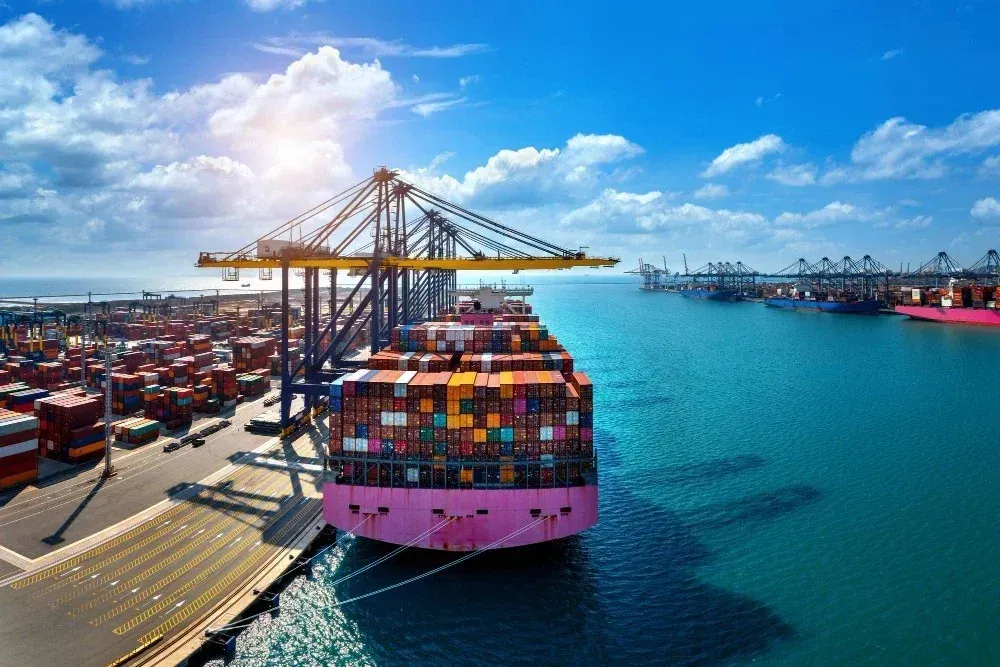
3PL shipping can support international ecommerce fulfillment by coordinating origin operations, route choices, tracking, and destination handling without requiring the brand to build every capability itself.
Access Global Fulfillment Infrastructure Without Building Warehouses
International expansion does not always begin with overseas warehouses. A brand may first need a reliable way to receive goods, prepare parcels, choose routes, and activate tracking in different markets.
DAYONE can connect sourcing, warehouse receipt, fulfillment, packing, shipping, and tracking within one workflow. DAYONE also has experience supporting FBA and eBay fulfillment, including preparation, destination-warehouse handling, and order or inventory integration support. Assess these capabilities against the brand's products and destinations.
Simplify Cross-Border Shipping Operations
Cross-border ecommerce creates coordination work around carriers, tracking, customs complexity, restrictions, and last-mile handoffs. DAYONE tracking support may include DAYONE Track, destination-country tracking, and uploaded last-mile courier information. Connected workflows can surface alerts. Tracking improves visibility; it does not change shipping time or guarantee resolution.
Scale Seasonal Demand Without Operational Disruption
Peak season fulfillment requires inventory readiness, clear priorities, packaging availability, route planning, and exception handling. Before a promotion, ask how a partner handles forecast changes, late stock, bundle orders, carrier cutoffs, and overflow. The answer reveals more about ecommerce scalability than a general capacity claim.
What Should Growing Brands Look for in a 3PL Shipping Partner?
Choosing a 3PL partner should be a process comparison, not a price-only decision. The best ecommerce fulfillment partner matches the brand's products, destinations, order profile, and growth plans.
Evaluate Fulfillment Capacity and Operational Reliability
Ask how the partner handles receiving, inventory records, order intake, pick and pack, dispatch, tracking, peaks, and exceptions. Clarify what is manual, software-supported, and where the brand must approve. Assess fulfillment capacity with warehouse capability and clear service boundaries.
Look for Transparent Processes and Quality Control
Fulfillment transparency includes understandable pricing variables, order statuses, tracking events, escalation contacts, and quality-control checkpoints. DAYONE can combine sourcing support, product checks, final packing checks, fulfillment management, and shipment tracking within a broader workflow. Confirm which steps apply to the agreement.
Choose a Partner That Supports Long-Term Brand Growth
A scalable fulfillment partner should support the next operational problem, not only the current one. Review integrations, international routes, packaging changes, marketplace requirements, reporting, and how products are added. DAYONE can support connected order handling, sourcing, QC, fulfillment, packing, shipping, and tracking when the scope is clear.
FAQ
Q: What is 3PL shipping and how does it work for ecommerce brands?
A: 3PL shipping means using a third-party logistics provider to support storage, order processing, picking, packing, shipping, tracking, or related fulfillment tasks. The workflow depends on the brand's products, channels, destinations, and agreement.
Q: How does 3PL shipping help growing ecommerce brands reduce costs?
A: It may reduce the need to build warehouse space, hire a large in-house fulfillment team, and coordinate every carrier relationship independently. The result depends on volume, parcel characteristics, destinations, service requirements, and pricing.
Q: When should an ecommerce brand start using 3PL shipping?
A: Consider it when order volume creates bottlenecks, peak periods strain the team, international shipping becomes difficult to coordinate, or logistics work limits marketing and product growth. Compare total operating cost and service risk rather than relying on one order-volume threshold.
Q: Can 3PL shipping improve international ecommerce fulfillment?
A: It can simplify cross-border coordination by connecting sourcing, warehouse handling, route selection, packing, tracking, and destination requirements. It does not remove customs, carrier, product-restriction, or delivery risks.
Q: What should brands consider before choosing a 3PL shipping partner?
A: Review fulfillment capacity, inventory handling, order accuracy, quality control, packaging, integrations, tracking visibility, international support, pricing transparency, peak-season planning, and long-term growth support.