This is a subtitle for your new post

How Does 3PL Ecommerce Fulfillment Improve Scalability for Small and Medium Businesses?
Growth creates a paradox for small and medium ecommerce businesses. More orders should be good news, yet each one adds pressure to inventory, receiving, picking, packing, quality control, shipping, tracking, and support. When these activities depend on a small internal team, sales can grow faster than the operation behind them.
3PL ecommerce fulfillment separates commercial growth from warehouse limitations. Instead of building every logistics capability internally, a business uses a partner’s people, processes, capacity, shipping network, and order infrastructure. The real benefit is not simply outsourcing parcels. It is creating an operation that can absorb higher volume without being redesigned after every growth milestone.
What Makes Ecommerce Fulfillment Hard to Scale for SMBs?
Volume Grows Faster Than Operational Headroom
In-house fulfillment often works until a promotion suddenly multiplies daily orders. The constraint is not only space. Higher volume creates more receiving tasks, SKU checks, packing decisions, address issues, stock questions, and customer inquiries.
| Growth pressure | In-house response | Scalable ecommerce fulfillment response |
|---|---|---|
| Seasonal surge | Add temporary labor and space | Expand capacity within an existing operation |
| More SKUs | Add manual rules and tracking | Extend standardized receiving and stock workflows |
| New channels | Reconcile orders separately | Route orders through one fulfillment process |
| More destinations | Research shipping case by case | Use established routes and logistics experience |
Inventory and Order Data Become Fragmented
Scaling becomes risky when store orders, warehouse counts, supplier updates, and tracking records live in separate places. A business may advertise an item that is nearly unavailable or reorder too late. A capable 3PL fulfillment service creates a defined handoff in which orders, stock movements, alerts, and tracking follow a consistent workflow.
Customer Expectations Do Not Scale Gradually
Customers still expect the correct item, accurate tracking, reliable delivery, and a clear response when something goes wrong. Scalability must therefore protect service quality, not merely increase parcel volume.
How Does 3PL Ecommerce Fulfillment Convert Demand Spikes Into Managed Capacity?
Flexible Capacity Reduces Constant Rebuilding
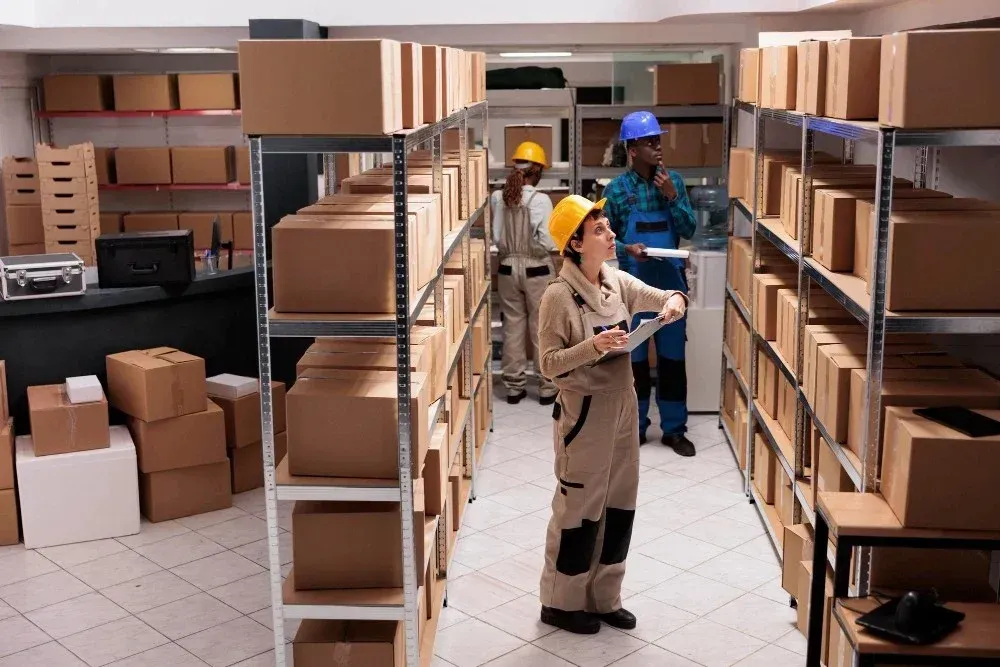
The core benefit of ecommerce logistics outsourcing is access to operating capacity that already exists. Warehouse space, trained staff, packing procedures, and shipping relationships do not need to be rebuilt whenever sales increase. This is particularly useful for promotions, influencer campaigns, and seasonal peaks.
Standardized Order Flow Protects Accuracy
Higher volume magnifies weak processes. An unclear SKU or packing instruction may affect a few orders at low volume but hundreds during a surge. 3PL ecommerce fulfillment introduces repeatable checkpoints for order capture, stock confirmation, picking, packing, quality checks, dispatch, and tracking. Digital order processing can reduce repetitive administration, while physical pick-and-pack still requires disciplined execution and human oversight.
Inventory Planning Prevents Blind Stock Commitments
A scalable business does not simply buy more inventory. It uses sales history, campaign forecasts, supplier lead times, and product stability to decide what to hold. This is the practical value of inventory management for ecommerce growth. At DAYONE, we coordinate stock planning around historical demand and future advertising plans so established stores can prepare for growth without treating every SKU the same.
Which Growth Bottlenecks Can a 3PL Remove First?
Receiving and Supplier Coordination
Fulfillment begins before packing. Products must be sourced or received, checked, recorded, and made available. A useful outsourced order fulfillment partner connects upstream and downstream work. In our process at DAYONE, clients may submit product links or CSV files, connect the operating team to their store, or retain an existing supplier. We source when required, provide an all-inclusive quote, and coordinate product arrival after payment confirmation.
Pick, Pack, Quality Control, and Shipping
The most scalable process is not necessarily the most automated; it is the one with clear responsibility at every handoff. DAYONE currently uses manual pick-and-pack supported by structured order processing. Once payment is confirmed and goods are in stock, orders are typically fulfilled, packed, and shipped according to instructions within 24 hours, although limited Sunday operations can extend this to 48 hours. More than 100 quality-control staff inspect products before inventory placement, followed by a final check before packing.
Tracking and Exception Evidence
Growth increases exceptions such as wrong variants, damaged items, lost parcels, frozen tracking, and incomplete addresses. A scalable partner should use an evidence-based process with order numbers, tracking details, photos or video, issue descriptions, and clear deadlines. DAYONE provides parcel tracking and can offer discreet tracking that does not display a China origin to the end customer.
How Can 3PL Ecommerce Fulfillment Support New Products and Markets?
Add SKUs Without Rebuilding Operations
Adding a product affects sourcing, SKU setup, storage, quality standards, packaging, and after-sales rules. With 3PL ecommerce fulfillment, these steps can enter an existing framework. White-label fulfillment usually customizes packaging and often avoids a manufacturer MOQ for the product, although packaging materials may have their own MOQ. Private-label products involve product customization, normally require a manufacturer MOQ, and need stock purchasing plus DTC fulfillment planning.
Keep Packaging Consistent at Higher Volume
Brand growth can be weakened by inconsistent packaging. Branded ecommerce fulfillment turns packaging instructions into a repeatable warehouse standard. At DAYONE, we can source custom boxes, mailers, logos, tags, cards, and inserts based on client files, helping the unboxing experience remain consistent as volume expands.
Expand Cross-Border Shipping With Fewer Unknowns
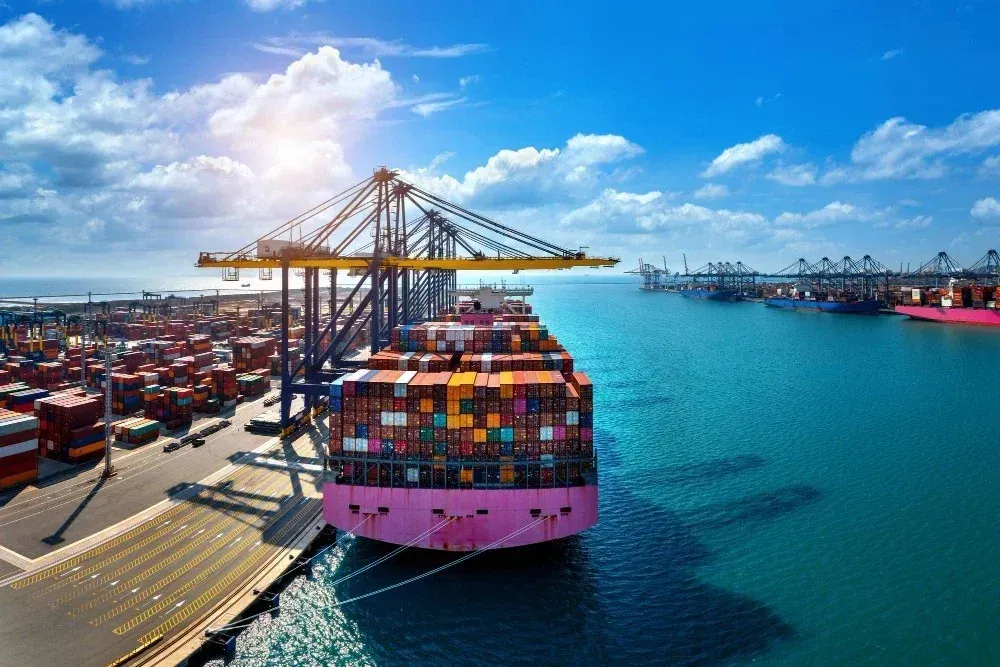
New markets introduce route selection, parcel restrictions, customs requirements, delivery expectations, and last-mile tracking. An experienced cross-border ecommerce fulfillment partner helps evaluate these issues before campaigns launch. Shipping should still be assessed by destination, parcel size, weight, product type, and service level rather than relying on one universal delivery promise.
What Should SMBs Check Before Choosing a 3PL Ecommerce Fulfillment Partner?
Capacity Evidence and Fulfillment Timelines
Ask about normal volume, peak capacity, in-stock processing time, weekend effects, and what happens when demand exceeds forecasts. Capacity claims are meaningful only when supported by staffing, procedures, warehouse planning, and communication.
Integration and Human Communication
Technology should reduce repetitive work, but exceptions still require people. Evaluate how orders enter the workflow, how inventory alerts are shared, who approves changes, and which communication channels are used. Strong ecommerce order fulfillment combines connected data with a responsive operating team.
Quality, Exceptions, and Onboarding Fit
Before signing, confirm quality-control steps, evidence required for claims, supplier-delay communication, peak-season inventory planning, and minimum volume. In our case at DAYONE, we work with established operations already meeting the applicable threshold: 30 total daily orders for dropshipping, 100 for branded dropshipping, and 10 for private-label fulfillment. We do not onboard new projects only to trial the service, because each account is assigned an operating team according to available capacity.
FAQ
Q: How does 3PL ecommerce fulfillment help small businesses scale?
A: It provides established warehouse capacity, fulfillment procedures, inventory controls, shipping relationships, and trained staff. The business can increase order volume without building a larger internal logistics department at every stage.
Q: When should a growing store switch to 3PL ecommerce fulfillment?
A: Common signals include delayed dispatch, frequent stock discrepancies, limited storage, inconsistent packing, excessive management time spent on shipping, or upcoming campaigns that the current operation cannot absorb reliably.
Q: Can 3PL ecommerce fulfillment handle seasonal order spikes?
A: Yes, when forecasts and inventory plans are shared early. A 3PL can prepare labor, storage, packaging materials, and shipping capacity for a known surge.
Q: How does 3PL ecommerce fulfillment improve inventory control?
A: It places receiving, stock movements, order allocation, replenishment alerts, and shipment records inside a defined workflow. This supports more reliable inventory decisions and reduces stockout or overstock risk.
Q: What should SMEs ask before choosing 3PL ecommerce fulfillment?
A: Ask about normal and peak capacity, processing time, inventory visibility, quality checks, platform connections, packaging, shipping coverage, exception handling, communication, and minimum daily order requirements.