This is a subtitle for your new post

How to Start and Scale a Dropshipping Business in Today's Competitive Market
A dropshipping business is easy to launch technically, but much harder to operate consistently. Opening a store is no longer the main challenge. Sellers must prove that customers want the product, maintain dependable quality, deliver orders on time, and create a brand experience that competitors cannot easily copy.
For entrepreneurs researching how to start a dropshipping business, the most practical strategy is to progress through three stages: validate demand, stabilize operations, and then scale fulfillment.
Is a Dropshipping Business Still Worth Starting in Today's Market?

How Has the Dropshipping Business Model Changed?
The traditional dropshipping business model focused on listing trending products without holding inventory. Today, shoppers compare reviews, delivery times, packaging, and customer policies before purchasing.
This means starting a dropshipping business now requires more than finding an inexpensive item. A strong dropshipping business plan should explain why the product fits a specific audience, how orders will be fulfilled, and what will make the store credible.
What Advantages and Risks Should New Sellers Evaluate?
Dropshipping can reduce the need to purchase large quantities before demand is proven. However, it also gives sellers less direct control over product quality, stock availability, and shipping.
Before launching, evaluate:
1. Supplier communication and production consistency
2. Real delivery times to target countries
3. Product defect and return risks
4. Total order cost, including packaging and shipping
5. Whether the supplier can support sudden order growth
How Do You Find a Dropshipping Niche That Can Compete?
Validate Real Demand and Buying Intent
A profitable dropshipping niche solves a recognizable problem for a defined audience. Search volume alone is not enough. Look for evidence that people actively compare products, ask detailed questions, and purchase repeatedly.
When researching how to find dropshipping products, prioritize items that can be demonstrated clearly through videos, guides, before-and-after examples, or practical use cases.
Measure Competition and Find a Defensible Product Angle
Competition is not automatically negative. It proves that demand exists. The real question is whether the store can offer a more specific promise, such as better instructions, clearer sizing, faster fulfillment, bundled accessories, or more professional packaging.
Avoid competing only through lower prices. Price-based stores are easy to replace.
Test Product Quality and Supplier Reliability Before Launch
Effective dropshipping product testing should cover more than advertising response. Order samples and inspect the following areas:
| Test Area | What to Check |
|---|---|
| Product quality | Materials, finish, function, and consistency |
| Packaging | Protection during international transport |
| Accuracy | Color, dimensions, accessories, and specifications |
| Delivery | Processing time, tracking, and arrival condition |
Knowing how to vet a dropshipping supplier helps prevent refunds and negative reviews later. Reliable dropshipping suppliers should provide clear quotations, stable communication, realistic lead times, and sample verification.
How Do You Build a Dropshipping Business Customers Can Trust?
Choose the Right Selling Platform and Store Structure
A professional store should make product selection easy. Use simple navigation, detailed product pages, visible contact information, and mobile-friendly checkout.
Every important question should be answered before purchase, including delivery expectations, product dimensions, materials, and return conditions.
Create Original Product Pages and Clear Store Policies
Generic supplier descriptions make stores look interchangeable. Rewrite product information around customer concerns and use original images or videos whenever possible.
Clear shipping, refund, and privacy policies improve trust while reducing unnecessary support requests.
Set Pricing Around the Full Cost of Each Order
Pricing should account for the complete cost of delivering one successful order:
2. International shipping
3. Packaging and handling
4. Payment fees
5. Expected replacements or refunds
6. Customer acquisition
A high selling price does not automatically create a healthy business when shipping and after-sales costs are ignored.
How Should You Launch and Market a Dropshipping Store?
Test Paid Campaigns Without Depending on One Traffic Source
Paid campaigns are useful for validating offers, but rapid sales do not always indicate stable demand. Compare different audiences, messages, landing pages, and products before increasing spending.
Turn First-Time Buyers Into Repeat Customers
A strong dropshipping customer experience includes accurate products, useful tracking, responsive support, and consistent delivery. Follow-up emails, product education, and complementary offers can create repeat purchases without constantly finding new customers.
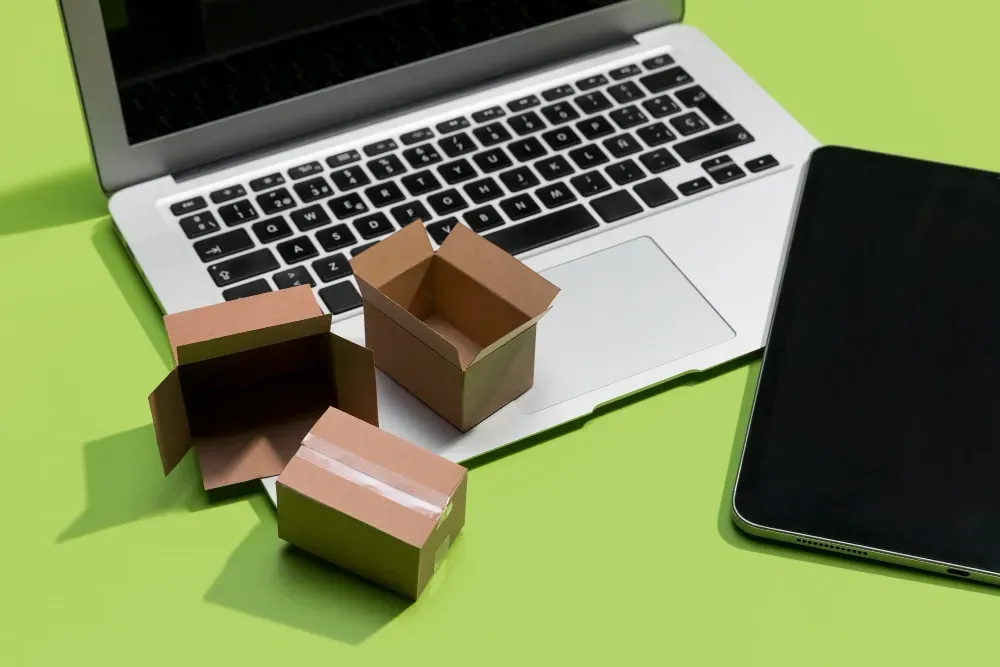
When Is Your Dropshipping Business Ready to Scale?
Look for Repeatable Sales Instead of Short-Term Spikes
Sellers learning how to scale a dropshipping business should look for repeatable performance across several weeks, not one successful campaign.
A product is more prepared for scaling when orders remain consistent, complaints are manageable, delivery performance is stable, and the supplier can forecast stock requirements.
Prepare Suppliers, Inventory Visibility, and Customer Support
Effective dropshipping inventory management becomes increasingly important as order volumes rise. Even without owning large amounts of stock, sellers need visibility into available products, incoming supply, and potential delays.
Replace Fragile Manual Coordination With Connected Order Processing
A scalable dropshipping business needs a dependable process for importing orders, confirming product availability, assigning tracking details, and identifying exceptions.
At DAYONE, we can receive order and product information through store connections or structured files. Our team sources products, checks supplier reliability, coordinates purchasing, inspects goods, packs orders according to client instructions, and arranges international shipping. Once payment is confirmed and the goods are available, orders are generally fulfilled within 24 hours, although limited Sunday operations may occasionally extend processing to 48 hours.
How Do You Scale From Generic Dropshipping to a Branded Business?
Start With White-Label Packaging and a Consistent Unboxing Experience
White-label dropshipping usually keeps the original product unchanged while customizing packaging, cards, labels, or other brand presentation. By contrast, private label development changes the product itself and commonly requires manufacturing quantities and inventory purchasing.
For sellers researching how to build a dropshipping brand, custom packaging for dropshipping can create a more memorable experience without immediately redesigning the product.
Use Quality Control and Reliable Shipping to Protect Brand Trust
Scaling advertising before stabilizing quality often increases complaints faster than sales. Product inspection, packaging checks, accurate tracking, and clear after-sales evidence requirements help protect branded dropshipping operations.
Choose a Fulfillment Partner That Can Support Higher Order Volumes
Understanding when to use a 3PL for dropshipping is important. A fulfillment partner becomes valuable when sourcing, inspection, packing, tracking, and supplier communication begin taking time away from marketing and product development.
DAYONE primarily supports established sellers rather than stores with no existing order activity. Our standard dropshipping service currently requires at least 30 orders per day, while customized branded packaging has higher operational requirements. We help growing sellers coordinate sourcing, quality control, packaging, fulfillment, and worldwide delivery through one operating team.
FAQ
Q: How much does it cost to start a dropshipping business?
A: Costs vary by platform, product samples, website setup, marketing, business registration, and payment tools. Sellers should also reserve funds for refunds, replacements, and campaign testing.
Q: How can a dropshipping business find reliable suppliers?
A: Request samples, confirm specifications in writing, compare processing times, inspect packaging, and evaluate communication before launching. Supplier performance should be reviewed continuously after sales begin.
Q: When should a dropshipping business use a 3PL?
A: A 3PL becomes useful when order volume makes sourcing products, checking quality, packing orders, arranging shipping, and tracking deliveries difficult to coordinate internally. The business should already have a stable level of demand before transferring operations.
Q: What is the difference between white-label dropshipping and private label?
A: White label usually customizes packaging or branding while keeping the product unchanged. Private label modifies the product itself and generally requires larger production quantities, inventory purchases, and more product development.
Q: How can a dropshipping business scale without hurting delivery times?
A: Confirm supplier capacity, plan inventory around sales forecasts, monitor processing exceptions, improve customer support, and work with a fulfillment operation that can handle higher daily order volumes.