This is a subtitle for your new post

The best dropshipping company depends on what a store needs to automate: order transfer, inventory updates, supplier coordination, packing, or tracking. Product platforms help with discovery; managed fulfillment partners add operational coordination. Compare the full order-to-delivery workflow, its costs, and limits. Confirm where software ends and physical warehouse work begins before relying on an automation claim.
Which Types of Dropshipping Companies Offer the Best Fulfillment and Automation?
“Dropshipping company” can mean a supplier platform, production service, or fulfillment partner. Compare models against the tasks a store wants to delegate.
App-Based Supplier Platforms for Product Discovery and Order Sync
Supplier platforms offer product catalogs and sales-channel connections. Some import listings or pass orders to suppliers, helping with product discovery and setup. Check who manages supplier communication, how inventory changes are reported, and who handles order problems. A listing alone does not confirm stock or delivery performance.
Managed Sourcing and Fulfillment Partners for Hands-On Support
At DAYONE, we can coordinate each seller's selected service workflow. Sellers can submit CSV files or product links, or connect agents to a store. Depending on the workflow, DAYONE can coordinate supplier sourcing, quote and payment steps, warehouse receipt, fulfillment, packing, shipping instructions, and tracking activation. Compare which steps apply to your product and destination. The dropshipping fulfillment workflow is relevant when a store needs more than a supplier directory.
Print-on-Demand Providers for Made-to-Order Products
Print-on-demand suits stores selling designs made after purchase, such as custom merchandise. Compare production time, print consistency, destination coverage, branding, and returns. It fits only when made-to-order production matches the product and customer promise.
What Automation Should a Dropshipping Fulfillment Company Provide?
Automation can move data, trigger order updates, or affect physical work. Ask providers to demonstrate each step and identify where a person must intervene.
Store, Product, and Order Synchronization
Check whether orders transfer with the correct variant, address, shipping choice, and instructions, and whether status and tracking return to the store. Ask how edits, duplicates, and failed imports are handled. Confirm support for the sales channels you use. After onboarding and fulfillment-team assignment, DAYONE can guide sellers through store connection. When agents are connected to the store, order and fulfillment handling can follow the connected workflow, and alerts that need attention can be surfaced to the seller. Review the ecommerce integration options against the order flow you need.
Inventory Updates, Tracking, and Exception Alerts
Evaluate inventory sync and shipment visibility separately. Ask how often stock refreshes, when tracking appears, and how delays or failed updates are flagged. Confirm the notification method and who owns each exception; “automated” does not answer either question.
Software Automation Versus Physical Pick and Pack
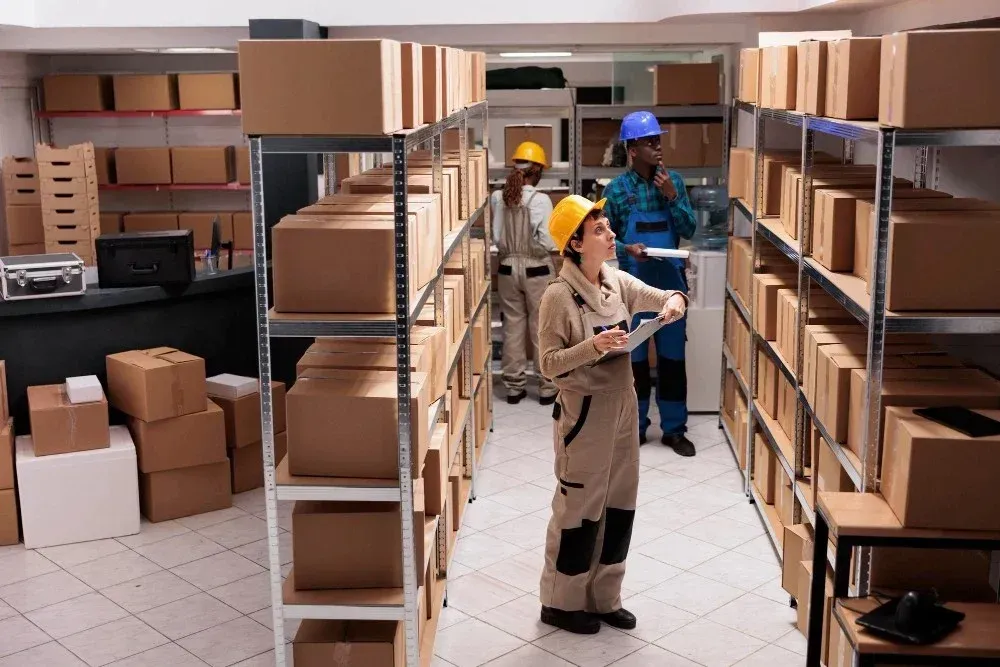
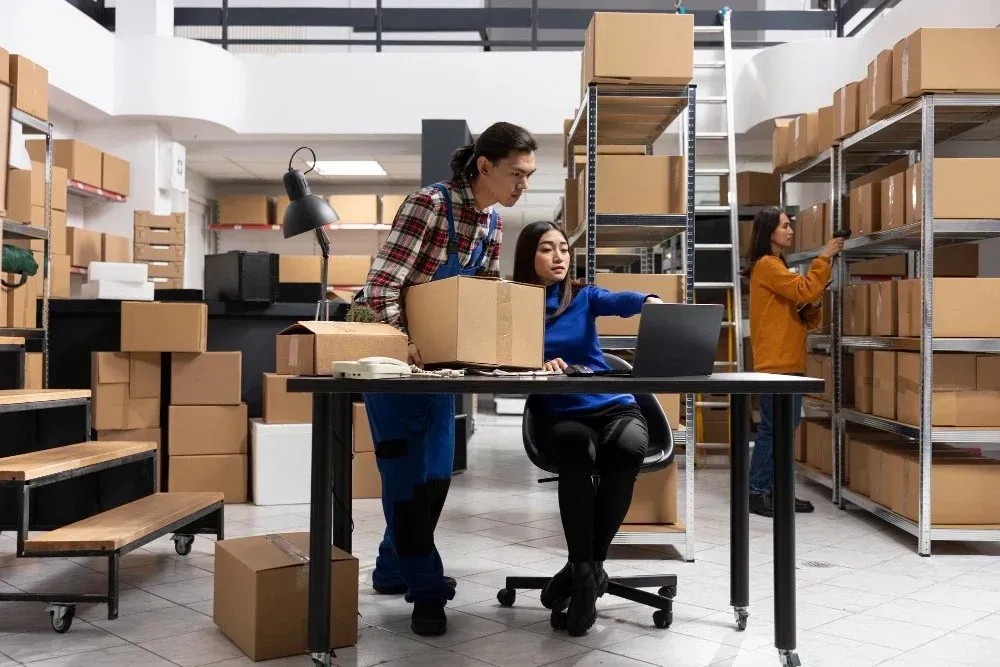
A store connection can streamline order processing without automating warehouse labor. DAYONE's fulfillment is currently manual, and physical picking and packing are performed manually. Mabang ERP automation relates to order processing; it does not automate physical pick and pack. Ask every provider which steps are software-supported, equipment-assisted, or performed by staff, and what each option costs. That distinction lets a buyer compare the actual workflow rather than assume all fulfillment is hands-free.

How Do the Best Providers Handle Fulfillment Quality and Delivery?
Check the steps protecting product quality and the customer promise from sourcing through delivery.
Shipping Origins, Carrier Options, and Delivery Estimates
Ask where each product ships from, which destinations are served, and whether an estimate separates order handling from carrier transit. Confirm cutoffs, weekend schedules, tracking events, restricted items, and last-mile responsibility. The shipping route should fit the product and customer promise, not just the lowest quoted price.
Product Checks, Packing Instructions, and Issue Resolution
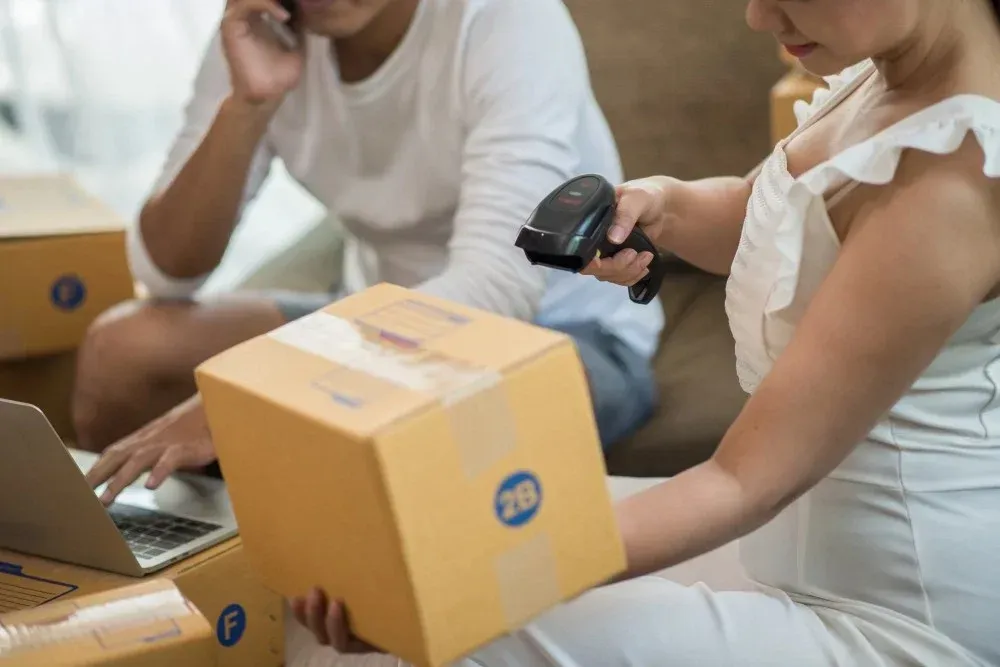
DAYONE's sourcing team can use a manufacturer network and supplier database to support product sourcing. Products can be checked before inventory and receive a final check before final packing for shipping. DAYONE tracking support can include DAYONE Track, discreet tracking in the destination country, and uploaded last-mile courier information. Discreet tracking does not change shipping time. Compare inspection points, packing instructions, tracking details, and issue escalation for the specific order. The China sourcing service is relevant when supplier coordination is part of the fulfillment need.
How Can You Compare the Total Cost of Dropshipping Fulfillment?
Compare total cost per delivered order, including handling, packing, shipping, returns, and preventable errors.
Platform, Subscription, and Per-Order Fees
Ask for a breakdown of monthly fees, order charges, minimums, and add-ons at your expected volume. If sourcing and fulfillment are bundled, confirm what the quote includes. After product information is received, DAYONE agents can provide an all-inclusive quote for packing and shipping to the destination country. Shipping cost depends on the shipment, parcel size, weight, and destination. Use the same product and parcel details when comparing offers.
Shipping, Packaging, Returns, and Route Restrictions
A low handling charge may be offset by shipping, packaging, or return costs. Compare the same destination, parcel size, and service level, and ask who pays for undeliverable orders. Premium shipping channels are available on selected routes and are generally faster and more expensive than standard channels. Price depends on destination country, parcel size, and weight. Check product restrictions and return responsibility before calculating margin.
Which Dropshipping Fulfillment Company Fits Your Store Model?
A provider should match the store’s present workflow and likely next bottleneck. Compare service models first, then confirm details using the products, channels, and destinations the business actually serves.
A Lean Setup for New or Low-Volume Stores
A new store may prioritize easy setup, transparent fees, and a few reliable supplier connections. Avoid unused features, but verify stock and delivery estimates before making promises. A lean setup reduces repetitive work without adding complexity.
A Connected Workflow for Scaling or Cross-Border Stores
A growing or international store may need supplier coordination, reliable inventory data, shipment options, tracking, and clear exception ownership. Before signing, write down which tasks are automated, which remain manual, what data returns to the store, and who resolves failures. Also record peak-season volume and likely new channels so the shortlist reflects the next operating stage as well. The strongest fit is the service that meets these requirements at a realistic total cost—not the one with the longest feature list.
FAQ
Q: What is the best dropshipping company for fulfillment and automation?
A: The best fit depends on products, channels, destinations, volume, and the support a store needs. Compare the complete workflow, its costs, and service limits before choosing.
Q: How does dropshipping fulfillment automation work?
A: Connected tools can transfer order details, update status, and return tracking information. Exact steps vary, and warehouse picking or packing may still be manual.
Q: Do dropshipping companies automate inventory and order tracking?
A: Some providers sync stock, orders, and tracking updates. Check how frequently data refreshes, which channels are covered, and how errors are reported.
Q: How much does a dropshipping fulfillment service cost?
A: Costs may include platform or order fees, product charges, packing, shipping, packaging, and returns. Compare quotes using the same product, parcel, destination, and service level.
Q: Can dropshipping fulfillment companies ship internationally?
A: International service depends on product restrictions, route availability, tracking, and destination costs. Confirm those details for each product and market before setting delivery expectations.