This is a subtitle for your new post

Why Are More Brands Switching to Direct to Consumer Instead of Traditional Retail?
The Shift from Traditional Retail: What Is Driving the Change?
The Limitations and Bottlenecks of Traditional Retail
For decades, the standard path to market involved a complex web of wholesalers, distributors, and big-box retailers. While this legacy model provides massive physical reach, it fundamentally distances the brand from the end buyer. Brands are forced to surrender significant profit margins to middlemen, endure long product placement cycles, and settle for restricted shelf space. Most critically, when a product is sold through a third-party retailer, the brand loses complete visibility into who bought the item, why they bought it, and how they intend to use it.
Defining the Direct to Consumer (D2C) Advantage
The direct-to-consumer strategy eliminates intermediaries, allowing brands to sell their products directly to the end buyer through their own digital storefronts. This approach is not just a different sales channel; it is a fundamental restructuring of commerce. By cutting out the middlemen, brands achieve faster time-to-market, enabling them to launch, test, and iterate products based on real-time market feedback rather than seasonal retail calendars.
Key Reasons Why Brands Embrace the Direct to Consumer Model
Unlocking Higher Profit Margins and Revenue Control
The most immediate catalyst for adopting a direct to consumer framework is the dramatic improvement in profit margins. Without the need to split revenue with distributors and physical retail outlets, brands can either absorb higher profits or strategically reinvest that capital into aggressive marketing and superior product engineering.
| Retail Model | Intermediary Markups | Brand Margin Potential | Pricing Control |
|---|---|---|---|
| Traditional Retail | High (Wholesalers, Distributors) | Low | Controlled by Retailer |
| Direct to Consumer | Eliminated | High | 100% Brand Controlled |
Owning First-Party Customer Data and Insights
In a digital landscape increasingly focused on privacy and the deprecation of third-party cookies, owning first-party data is arguably a brand’s most valuable asset. The direct to consumer model grants total access to granular customer analytics:
- Email addresses and direct contact channels for personalized remarketing.
- Browsing behaviors, cart abandonment triggers, and average order values.
- Post-purchase feedback and precise geographic demand mapping.
Fostering Authentic Brand Loyalty and Community
When a customer buys from a traditional retail shelf, their loyalty often remains with the retailer, not the manufacturer. Direct to consumer brands interact directly with their audience through social media, targeted email campaigns, and personalized customer support. This direct dialogue transforms one-time buyers into brand advocates, establishing an authentic community that serves as a powerful competitive moat.
The Hidden Challenges of the Direct to Consumer Approach
Navigating Rising Customer Acquisition Costs (CAC)
Transitioning to direct sales is not without friction. Because brands must now generate their own website traffic, they become heavily reliant on digital advertising platforms. As competition intensifies, the Customer Acquisition Cost (CAC) across social media and search engines continues to soar. To survive, direct to consumer businesses must hyper-focus on Customer Lifetime Value (LTV), ensuring that initial acquisitions translate into repeat purchases.
The Complexities of Global Order Fulfillment and Logistics
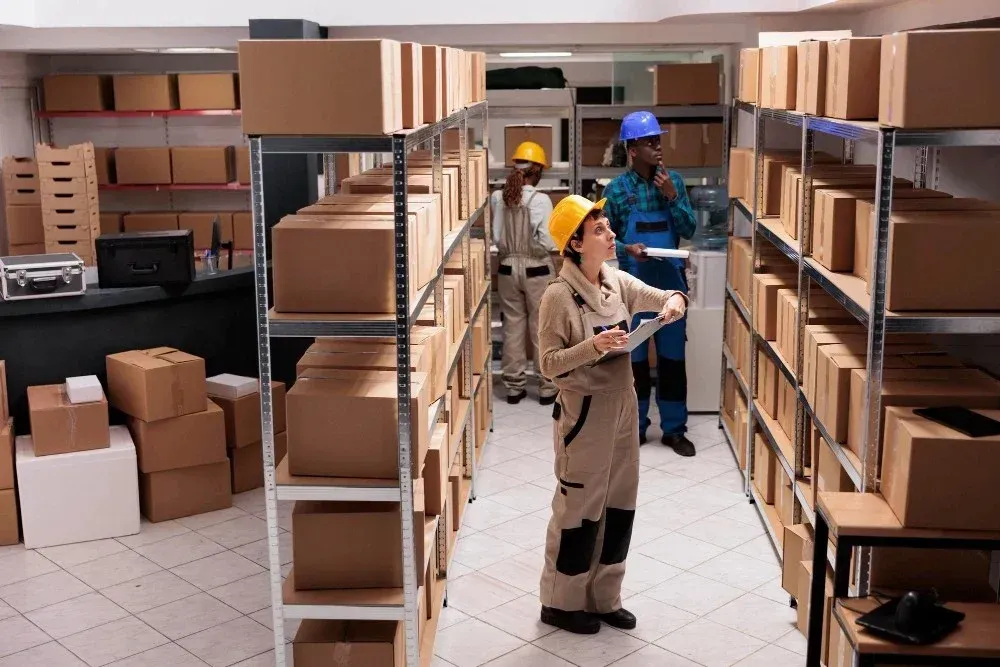
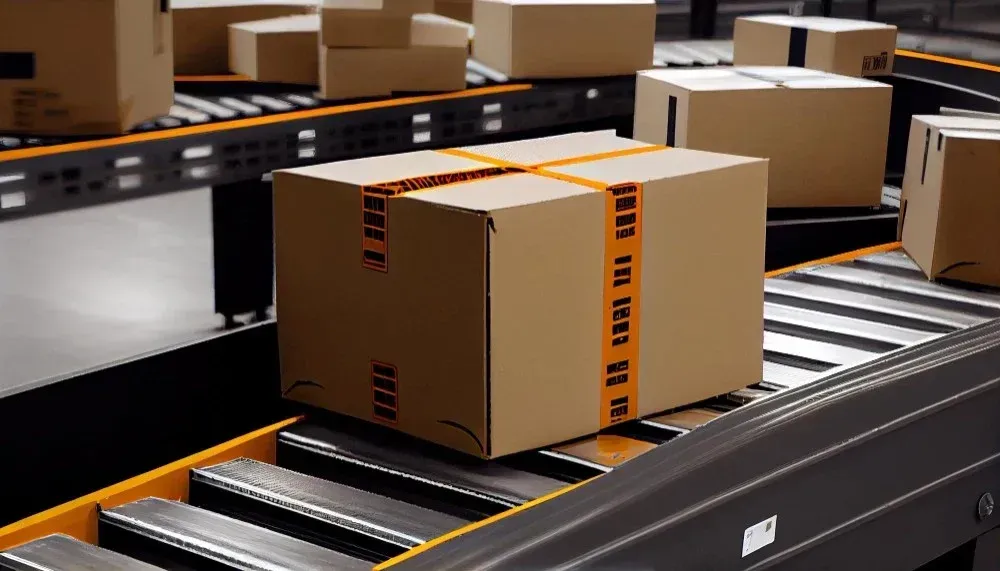
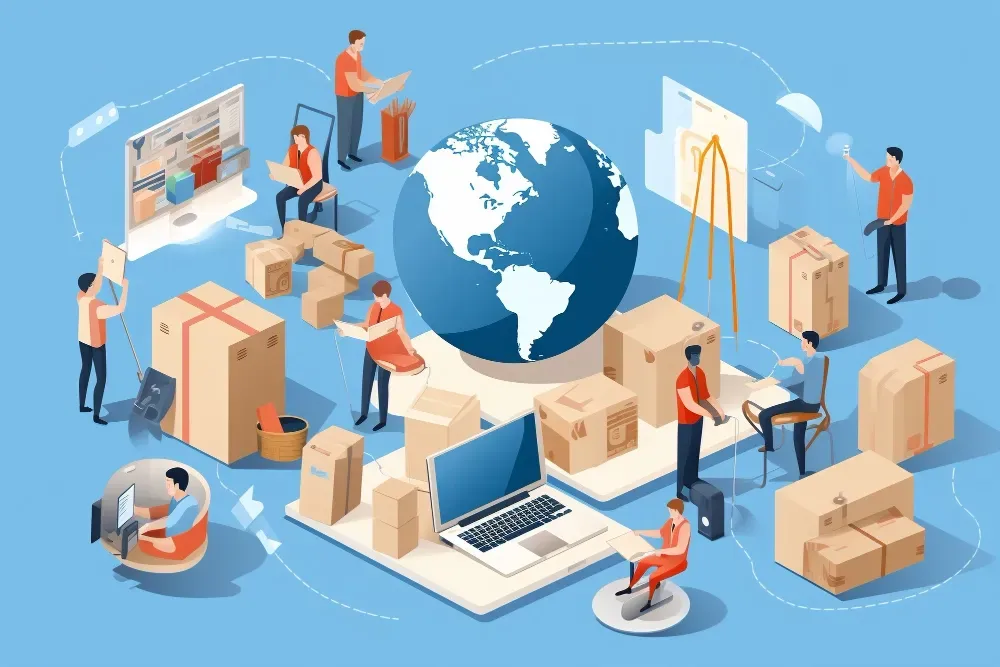
Shipping a massive pallet of goods to a regional retail distributor is logistically straightforward. However, successfully executing a direct to consumer model requires picking, packing, and shipping thousands of individual parcels to residential addresses worldwide. Managing automated inventory tracking, fragmented last-mile delivery, and international returns often overwhelms brands that lack specialized supply chain infrastructure.

How to Build a Future-Proof Direct to Consumer Strategy
Crafting a Memorable Unboxing and Brand Experience
In the direct to consumer space, the physical package is the first tangible touchpoint between the brand and the buyer. Generic packaging diminishes the perceived value of the product. Brands must utilize white label services to curate a bespoke unboxing experience, utilizing customized packaging, logos, tags, and promotional inserts. This attention to detail turns a standard delivery into a premium brand interaction, driving social media shares and consumer confidence.
Scaling Seamlessly with Specialized Fulfillment Partners
To truly master the direct to consumer transition, brands must separate front-end marketing from back-end logistics. This is where we step in. We specialize in helping e-commerce store owners scale their dropshipping operations into branded D2C stores with global reach. At DAYONE, we have shipped more than 65 million packages to date, serving over 6,000 satisfied clients worldwide.
We operate 30,000 square meters of warehouse space with a dedicated team of over 500 employees. Starting from day one, we provide A to Z services, handling everything from sourcing to shipping. Our daily order capacity averages over 65,000 fulfilled parcels, with the ability to scale up to 120,000 during peak seasons. Our automated ERP process integrates seamlessly with any eCommerce platform, allowing us to accurately manage inventory and fulfill orders the same day they are received. We also provide private line express shipping with discreet parcel tracking that shows no origin from China, ensuring your global customers receive their branded products safely and rapidly. By partnering with us, you can focus entirely on growing your audience while we handle the complexities of global fulfillment.
FAQ
Q: What are the primary benefits of transitioning to a direct to consumer model?
A: The primary benefits include capturing higher profit margins by eliminating retail middlemen, gaining full ownership of first-party customer data, and building stronger, more authentic brand loyalty through personalized marketing and custom unboxing experiences.
Q: How can a growing brand solve the fulfillment logistics of a direct to consumer strategy?
A: Brands can overcome logistical hurdles by partnering with a specialized 3PL provider. For example, DAYONE integrates directly with your eCommerce platform to automatically process orders, utilizing over 30,000 square meters of warehouse space and private express shipping lines to deliver parcels globally.
Q: Does a direct to consumer approach require specialized product packaging?
A: Yes, in a direct sales model, the package is a crucial brand touchpoint. Utilizing white-label services for custom boxes, logos, and inserts helps differentiate the product from generic competitors, elevating the perceived value and improving customer retention.
Q: Why is first-party data so crucial in a direct-to-consumer business?
A: In traditional retail, stores keep the customer data. In a direct model, the brand collects email addresses, purchase histories, and behavioral insights. This data is essential for optimizing ad spend, reducing customer acquisition costs, and launching highly targeted remarketing campaigns.
Q: How does the direct-to-consumer model impact international shipping times?
A: Shipping individual parcels globally can be slow if managed poorly. However, by utilizing dedicated fulfillment centers with established private express channels, direct-to-consumer brands can bypass traditional postal delays and ensure fast, discreet delivery to international customers.