This is a subtitle for your new post

How Are Fulfillment Center Technologies Changing eCommerce Logistics in 2026?
Why Fulfillment Center Innovation Matters for eCommerce in 2026
What Fulfillment Centers Do and Why They Are Critical to Logistics
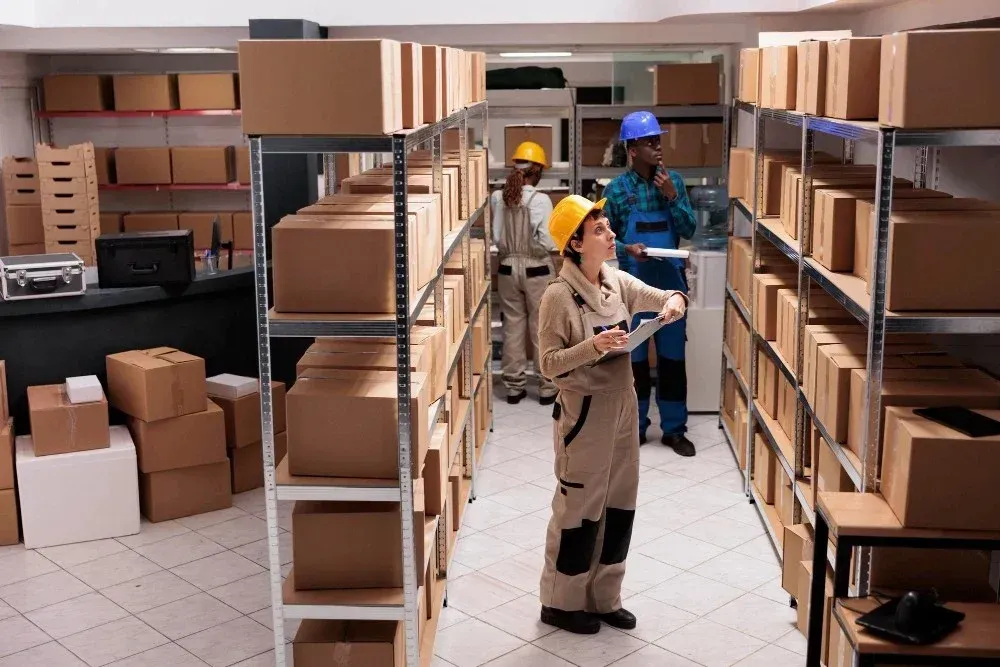
At their core, fulfillment centers bridge the gap between a digital shopping cart and a customer's doorstep. They are the physical hubs where eCommerce logistics operations—such as receiving inventory, picking, packing, and shipping—take place. In a highly competitive market, the efficiency of these operations directly dictates whether a business can scale profitably or if it will collapse under the weight of delayed orders.
How Rising Customer Expectations Shape Fulfillment Priorities
Modern buyers expect rapid, transparent, and flawless delivery. This pressure has transformed the traditional supply chain, forcing brands to adopt advanced fulfillment center technologies that prioritize speed and accuracy. Consumers no longer tolerate opaque processing times; theay demand real-time tracking and localized delivery options.
The Shift from Traditional Warehousing to Smart Fulfillment
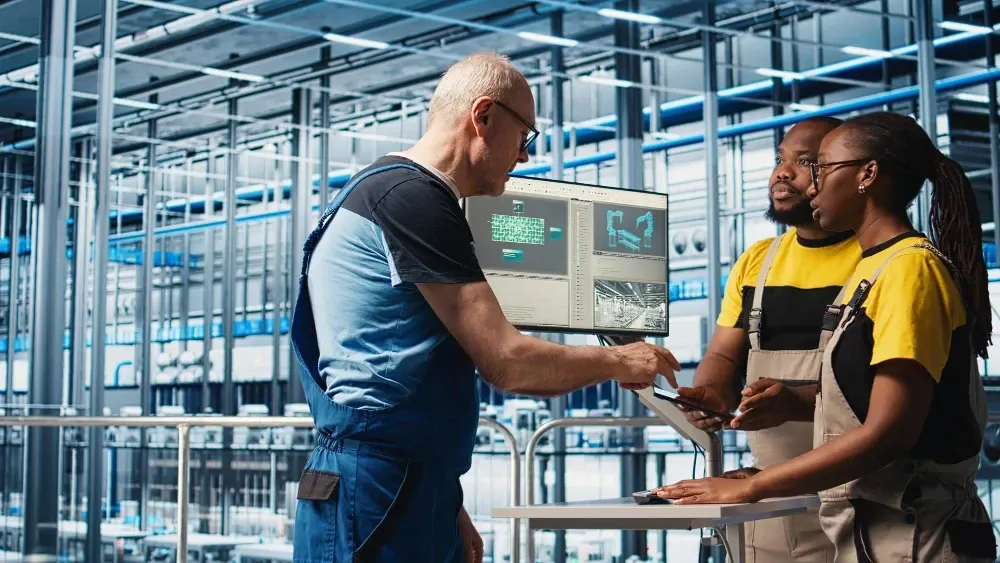
We are witnessing a massive transition from static storage facilities to dynamic, smart fulfillment nodes. Traditional warehouses simply stored goods; today's advanced centers are driven by data, integrating hardware and software to process tens of thousands of orders daily with minimal human error.
AI and Data Driven Decision Making in Fulfillment Centers
How AI Improves Inventory Planning and Demand Forecasting
Artificial Intelligence has eliminated the guesswork from inventory planning. By analyzing historical sales data, seasonal trends, and market fluctuations, AI algorithms can accurately predict demand spikes. This prevents stockouts during peak seasons and eliminates the financial drain of holding dead stock.
Real Time Decision Systems and Predictive Logistics
Predictive logistics systems analyze supply chain variables in real-time, allowing fulfillment networks to dynamically reroute orders based on inventory availability and courier performance. This ensures that every parcel takes the most efficient path to the consumer.
Examples of AI Transforming Fulfillment Workflows
At DAYONE, we leverage sophisticated systems like MaBang ERP 3 to automate your order processing. Our automated process seamlessly integrates with eCommerce platforms, enabling us to handle everything from the initial order to final delivery while you focus entirely on marketing.
Robotics and Automation Are Reshaping Order Processing
From Manual Picking to Automated Fulfillment Lines
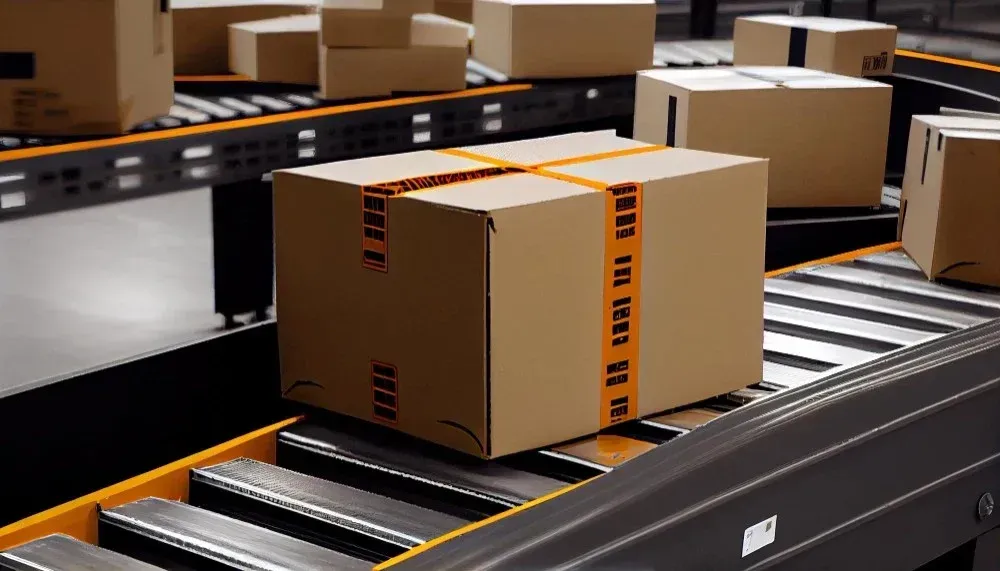
While physical picking and packing currently rely on manual labor, our ERP software seamlessly integrates into all major e-commerce platforms to automate order processing. This software-driven efficiency exponentially increases our capacity. For example, it allows us to average over 70,000 daily fulfilled orders, with the capacity to handle up to 120,000 orders during peak seasons. Looking ahead, our new Dongguan facility will be equipped with physical automated fulfillment lines to further increase our average and overall capacity.
Autonomous Mobile Robots (AMRs) in 2026 Warehouses
AMRs navigate warehouse floors using advanced sensors, transporting goods from storage racks directly to packing stations. These robots work alongside human operators, significantly reducing walking time and physical fatigue.
Robotics' Impact on Speed, Accuracy, and Labor Allocation
By integrating robotics, facilities can repurpose their workforce toward quality control and complex problem-solving. This targeted labor allocation reduces picking errors to near zero and drastically accelerates the time it takes for a package to reach the shipping dock.
Distributed and Hyperlocal Fulfillment Networks
Why Urban Micro Fulfillment Is Replacing Centralized Models
Instead of relying on a single massive facility, modern eCommerce logistics relies on spreading inventory across multiple smaller hubs located closer to major consumer populations. This reduces last-mile transit times and shipping costs.
Store-as-Warehouse and Dark Store Fulfillment Strategies
Many retail brands are transforming physical storefronts into "dark stores"—facilities closed to the public that operate exclusively as local fulfillment centers. This hybrid model allows for same-day delivery in dense urban areas.
How Distributed Fulfillment Improves Delivery Speed
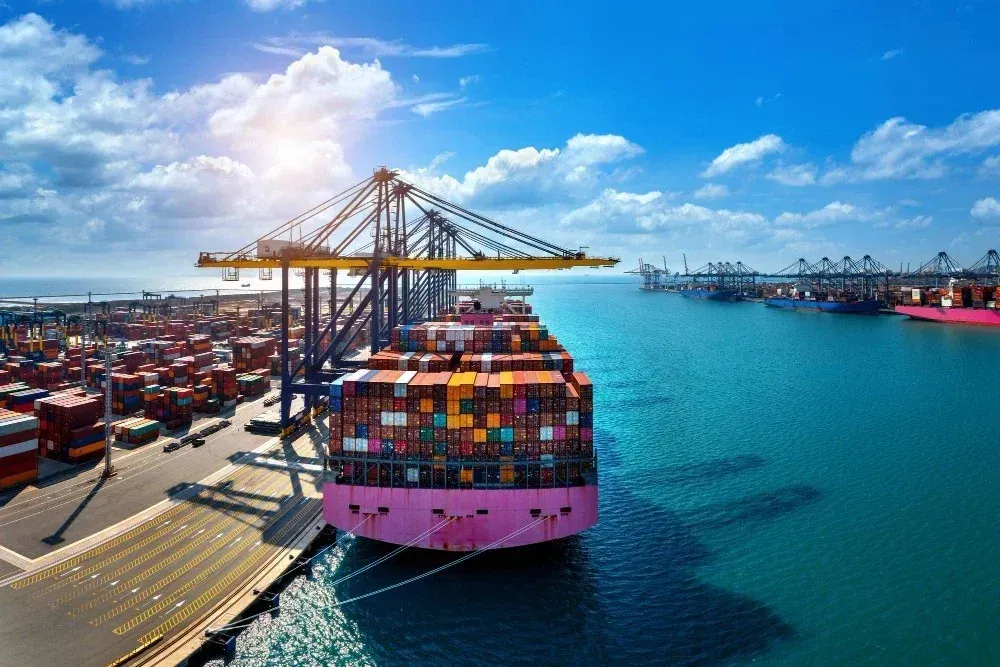
To ensure rapid global reach, we maintain 3PL warehouses in the UK, Canada, and the USA, alongside our massive 55,000 square meter facilities in Ningbo and Dongguan. This advantageous positioning, combined with our private express shipping lines, guarantees fast shipping times and discreet tracking that keeps your customers happy.
Visibility and Connected Technologies in Modern Logistics
IoT, Sensors, and Real Time Tracking Along the Supply Chain
The Internet of Things (IoT) provides unprecedented transparency. Sensors track environmental conditions and location, ensuring delicate or high-value items are monitored every step of the way.
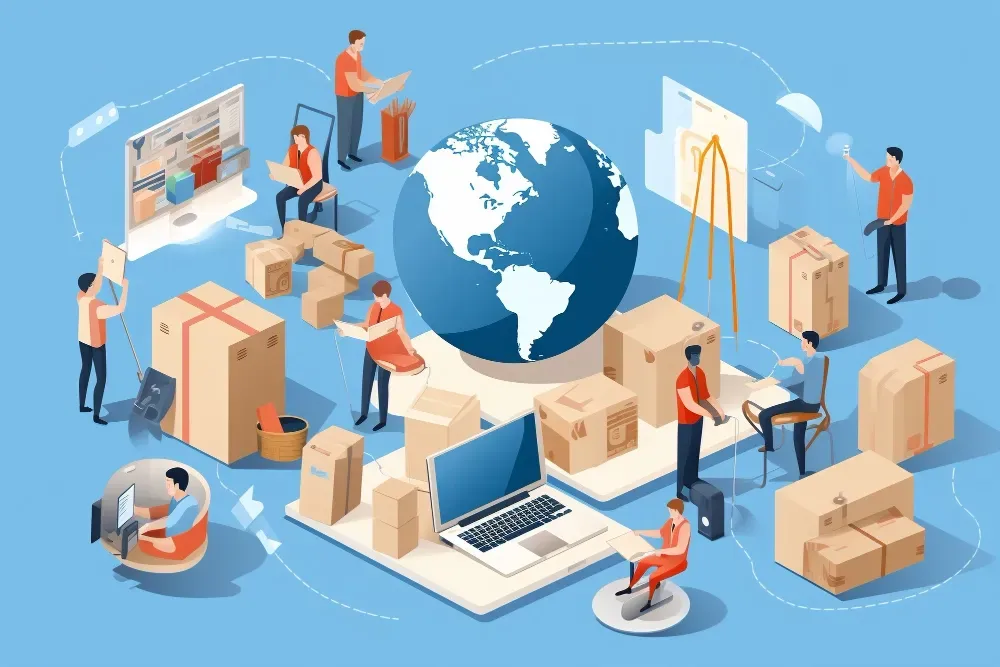
APIs and Integrated Platforms for End-to-End Transparency
End-to-end transparency requires robust software integration.
1. Our custom dashboard (app.dayonefulfillment.com) allows you to follow the entire fulfillment process from anywhere.
2. You can monitor the cost of goods, quotes, and inventory tracking alerts in real-time.
Predictive Alerts and Exception Management in Fulfillment
Connected technologies automatically flag exceptions—such as weather delays or inventory shortages—before they impact the end customer. This allows logistics teams to proactively resolve issues rather than reacting to customer complaints.
Emerging Technologies Supporting Sustainable Fulfillment
Energy Efficient Automation and Smart Routing
Sustainability is no longer optional. Smart routing algorithms calculate the most fuel-efficient delivery paths, while modern warehouse automation is designed to consume less electricity, lowering both operational costs and environmental impact.
Sustainable Packaging and Reduced Carbon Footprint
Packaging plays a vital role in both branding and sustainability. We can provide customized packaging, logos, tags, and inserts tailored to your brand. Understanding the exact packaging model is crucial for cost and waste management:
| Fulfillment Model | Description | Inventory Requirement |
|---|---|---|
| White Label | Customizing the packaging, logos, and inserts. It is a form of dropshipping. | No manufacturer MOQ required; order low quantities without buying stock. |
| Private Label | Customizing the physical product itself and enjoying exclusivity. | Requires a manufacturer MOQ, meaning you must purchase stock upfront. |
The Role of Data in Measuring Environmental Impact
Data analytics allow fulfillment providers to measure their exact carbon footprint per package shipped. By identifying inefficiencies, brands can actively work toward carbon-neutral fulfillment goals.
FAQ
Q: How do fulfillment center technologies improve global delivery times?
A: By utilizing automated ERP software and integrated inventory management, centers can instantly process orders and route them to the nearest available warehouse. At DAYONE, this allows us to ship orders the same day they are received, utilizing private express lines to maintain a global average shipping time of just 9 natural days.
Q: What is the difference between white label and private label in eCommerce logistics?
A: White label involves customizing the packaging (like tags and logos) for existing products and does not require you to purchase bulk stock, making it ideal for dropshipping. Private label involves customizing the actual product for exclusive selling, which requires meeting a manufacturer's MOQ and purchasing inventory upfront.
Q: How does automated inventory tracking prevent shipping delays?
A: Automated systems integrate directly with your selling platforms to monitor stock levels in real-time. This ensures that inventory is replenished before it runs out and generates automated alerts so that high-volume orders are fulfilled without interruption.
Q: Why are distributed fulfillment networks important for scaling an online business?
A: A distributed network places your inventory in multiple strategic locations around the world. By holding stock in facilities across the US, UK, Canada, and China, you drastically reduce last-mile shipping costs and ensure your customers receive their products much faster than shipping from a single central location.
Q: Can smart fulfillment solutions integrate directly with my online store?
A: Yes, modern systems are designed for seamless connection. Our operations integrate directly with major eCommerce platforms, allowing us to automatically fulfill your orders by pulling data directly from your store, meaning you never have to manually remind us about new orders.