Why Are Metrics Important?
Metrics are essential for tracking the performance of ecommerce advertising campaigns as they provide tangible data and insights that allow businesses to make informed decisions. These metrics offer a comprehensive view of the campaign's effectiveness, revealing key information such as customer engagement, conversion rates, and return on investment (ROI). By monitoring metrics like click-through rate, conversion rate, and cost per conversion, businesses can gauge the success of their advertising efforts, identify areas for improvement, and optimize their strategies accordingly. These metrics serve as guideposts, enabling businesses to allocate resources effectively, identify underperforming campaigns, and capitalize on successful ones. Ultimately, tracking metrics empowers ecommerce businesses to measure and enhance the impact of their advertising campaigns, resulting in increased revenue, customer acquisition, and overall business growth.
Below are some of the most important metrics to follow:
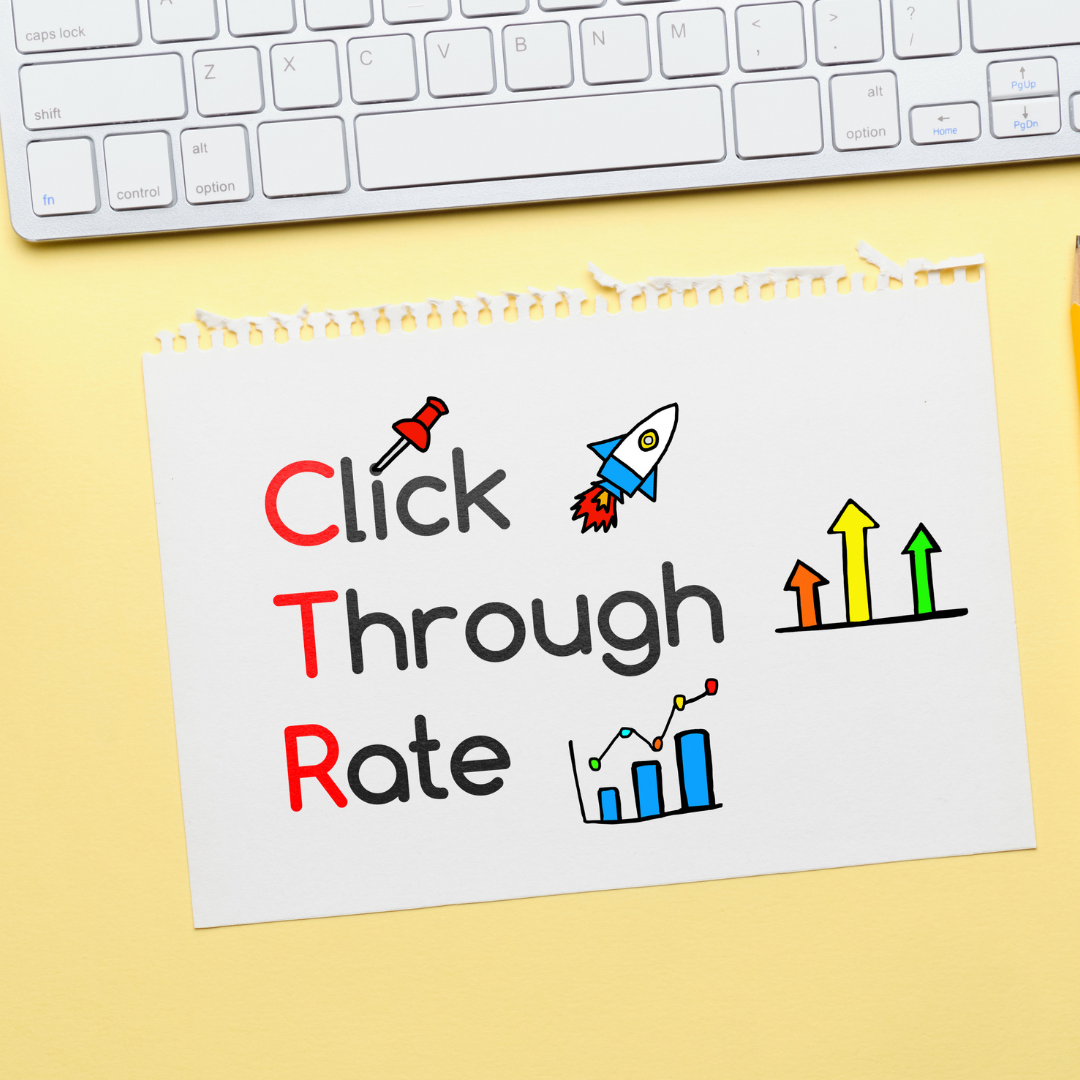
1. Click Through Rate (CTR)
This metric measures the percentage of people who clicked on your ad after seeing it. A high CTR indicates that your ad is relevant and engaging to your target audience.
Across verticals, most advertisers average between 2-5%. For dropshippers, 1-2% is about average.
2. Cost Per Click (CPC)
This metric measures the cost you pay for each click on your ad. It is important to keep your CPC low to maximize your return on investment (ROI).

3. Conversion Rate (%)
This metric measures the percentage of people who completed a desired action on your website after clicking on your ad. This could be making a purchase, signing up for a newsletter, or filling out a form.
Across industries, a conversion rate between 2%-5% is considered good. A 3% conversion rate puts you in the top 20% of all Shopify stores.
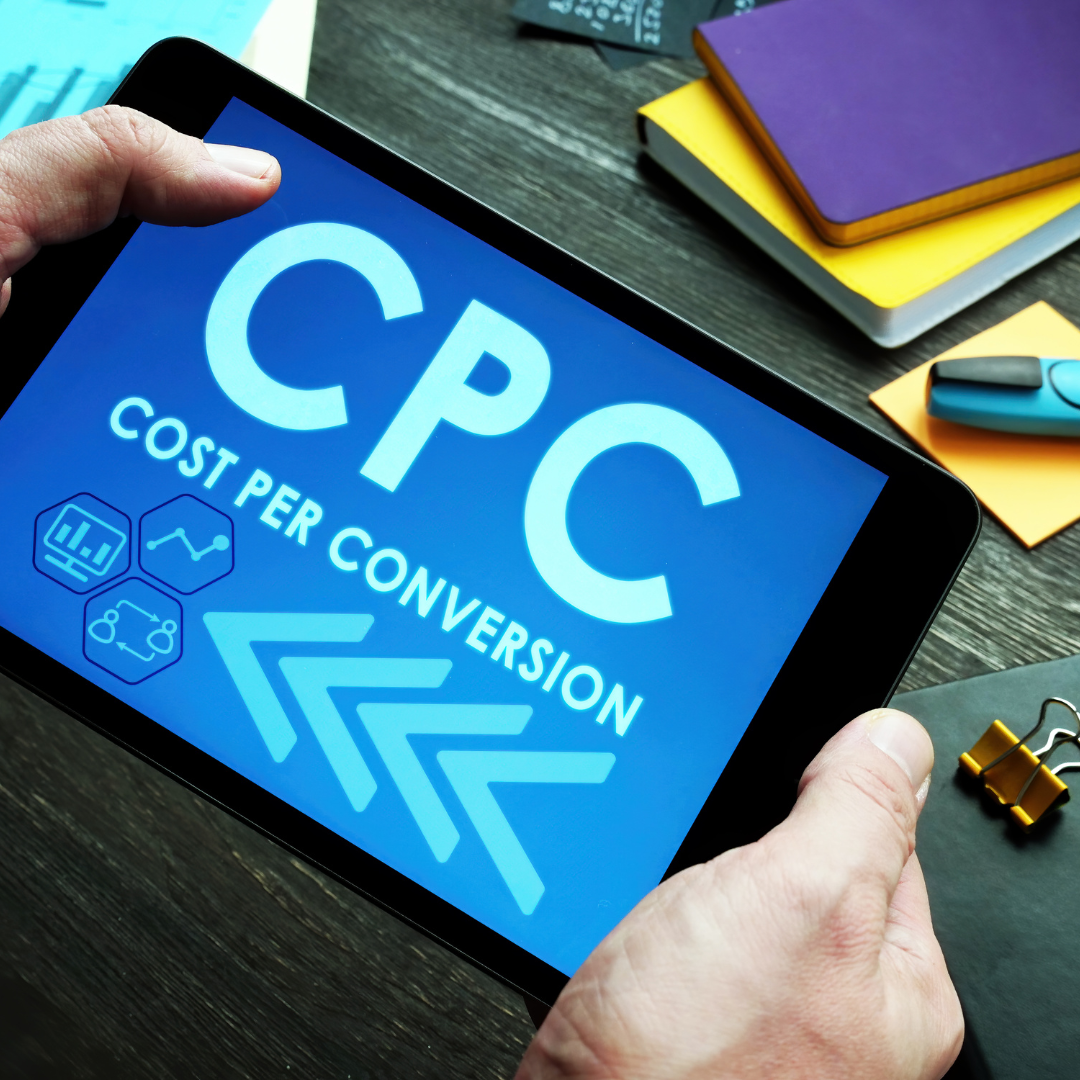
4. Cost Per Conversion (CPC)
Here's another CPC to track. Sorry for the confusion! This metric measures the cost you pay for each conversion. It is important to keep your CPC low to maximize your ROI. Don't confuse this CPC with Customer Acquisition Cost (CAC), which measures the cost of acquiring a paying customer. "Conversion" does not necessarily mean "purchase."
5. Return On Ad Spend (ROAS)
This metric measures the revenue generated for every dollar spent on advertising. A high ROAS indicates that your ad campaigns are generating a positive ROI.
Ad Campaign Revenue ÷ Cost of Ads = ROAS
ChannelSight puts a ROAS of 1.1 to 3 as good for an ecommerce business.
6. Customer Lifetime Value (CLV or LTV)
Sometimes expressed as Lifetime Value of a Customer, or LTV, this metric measures the total amount of revenue a customer will generate for your business over the course of their lifetime. This is important to track because it helps you understand how much you can afford to spend to acquire a customer.

In Conclusion...
By tracking these metrics, you can gain valuable insights into the effectiveness of your dropshipping advertising campaigns and make data-driven decisions to optimize your campaigns for better performance.
Day One University is committed to helping you learn the tools needed to maximize your ecommerce business. Because eCommerce success starts from Day One.